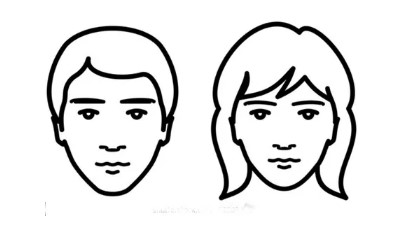
When carving human figures knowledge of proper body proportions is essential, even if you are just carving a human face or bust. This also holds true when carving caricatures. In caricature carving, face and body proportions are often exaggerated or distorted but a basic knowledge of proper measurements is still important. This week I want to discuss proper human face and body measurements and some simple ways you can remember them.
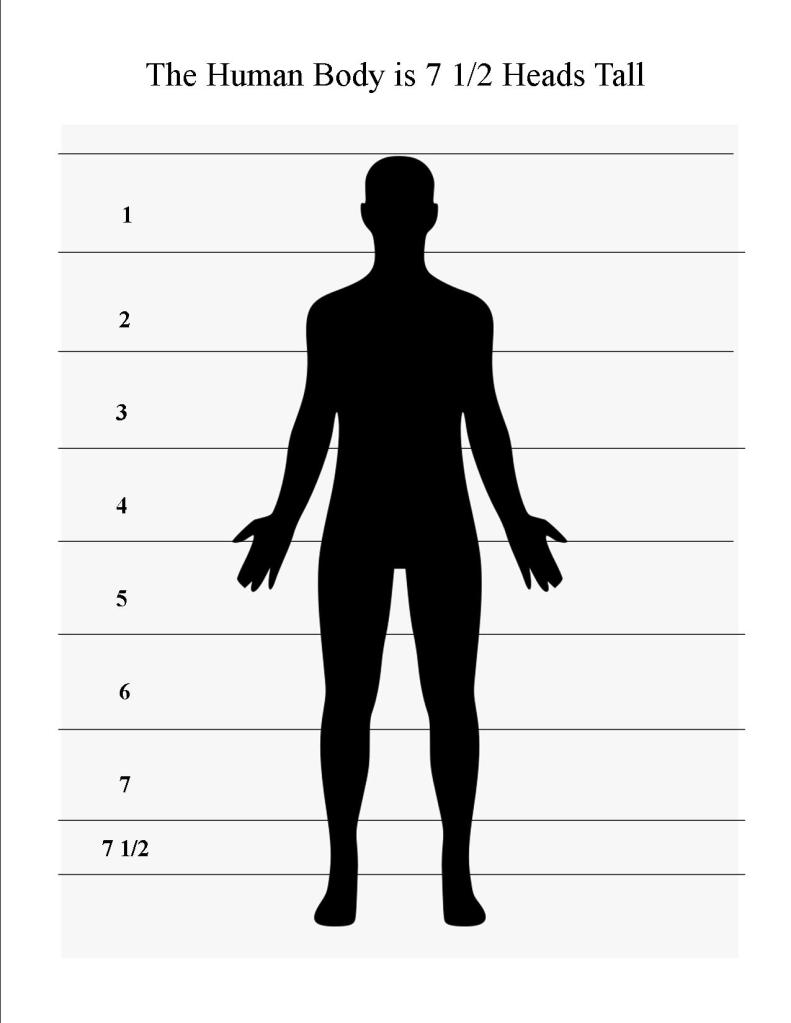
The Human Body
The human body is 7 1/2 heads tall.
The Human Face
The human head is 5 eyes wide.
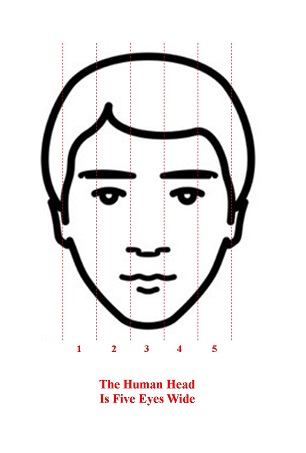
The eyes on a human’s face are located on a horizontal line across the center of the face as measured from the top of the head to the bottom of the chin,
The distance between the two eyes is the width of one eye as measured from the inner corners of both eyes.
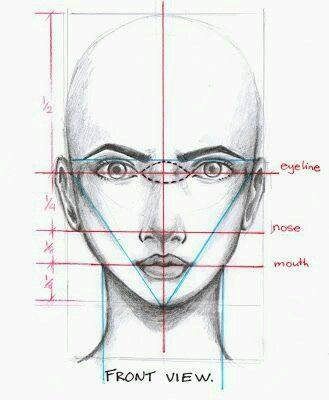
The rest of the facial measurements can be taken from Figure 3 or Figure 4. Either one works. Figure 3 uses measurements from the top of the head and the center of the eyes. Figures 4, which follows the Rule of Three uses measurements from the hairline and the eyebrows.
The Rule of Three
The Rule of Three divides the entire human body into thirds. The head is divided into thirds. The hair line to the eyebrow is one third, the eyebrow to the bottom of the nose is one third and the bottom of the nose to the bottom of the chin is one third.
The rest of the body from the shoulders to the bottom of the feet is divided into thirds. The shoulders to the waist is one third, the waist to the knees is one third and the knees to the bottom of the feet is one third.
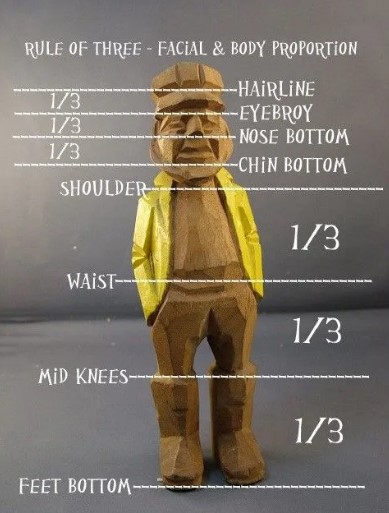
Rule of Three by Donald Mertz woodbeecarver.com
The ears on the human head right behind a centerline drawn down the side of the head, and the back of the head extends well beyond the ears. The height of the ears is from the bottom of the nose to the eyebrows.
Reader’s Comments

My very good friend, Andy Loughlin sent in a wonderful comment about my last blog on sharpening. Here is what Andy had to say:
“Hey Bob,
I hope all is well. Just wanted to drop you a note about your last blog. I thought the article on sharpening was great. Definitely something most beginners struggle to understand. I thought you did a very thorough job of explaining the process! It’s awesome that you are able to share your wealth of experience with everyone.
Regards,
Andy”
Thank you for your kind comments. Your words of encouragement are greatly appreciated;
Photo Shop

“Photo Shop” is the section of Wood Chip Chatter where carvers can send in photos of their wood carvings for display. It’s your chance to show off your work…sort of a show and tell. The photos will only be displayed and no comments or critiques will be made. For critiques on your carvings send them addressed to the “Carver’s Corner.” Send your photos to: carverbobk@woodchipchatter.com
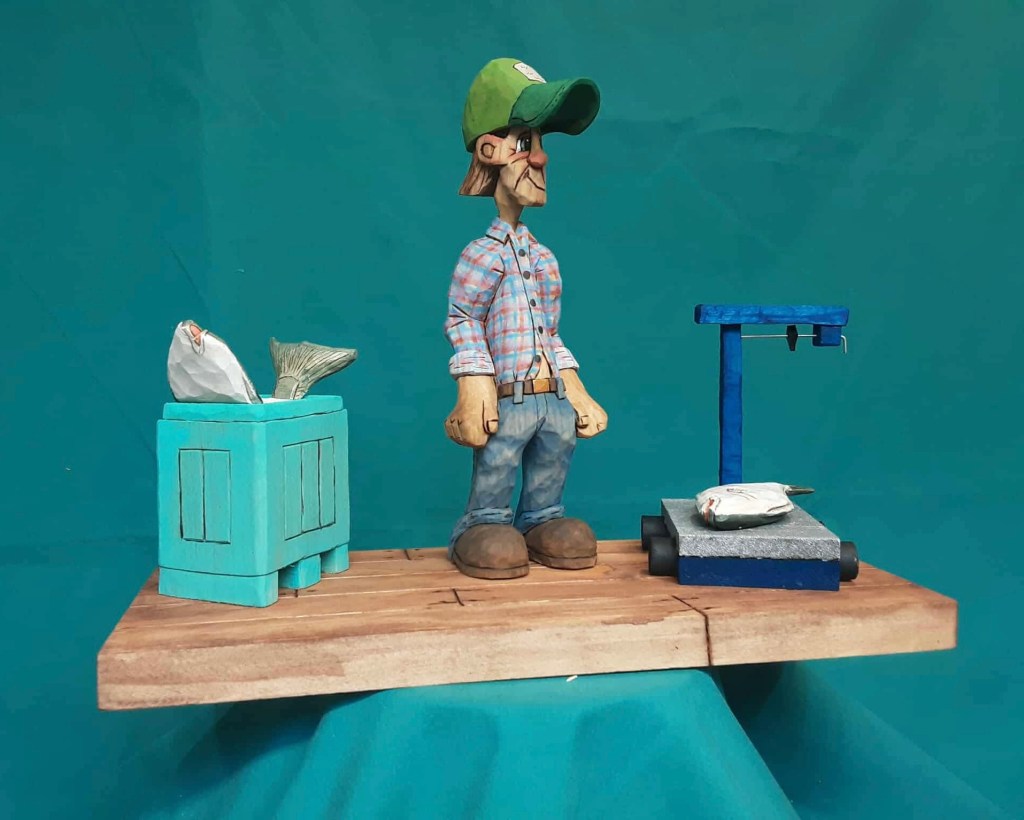
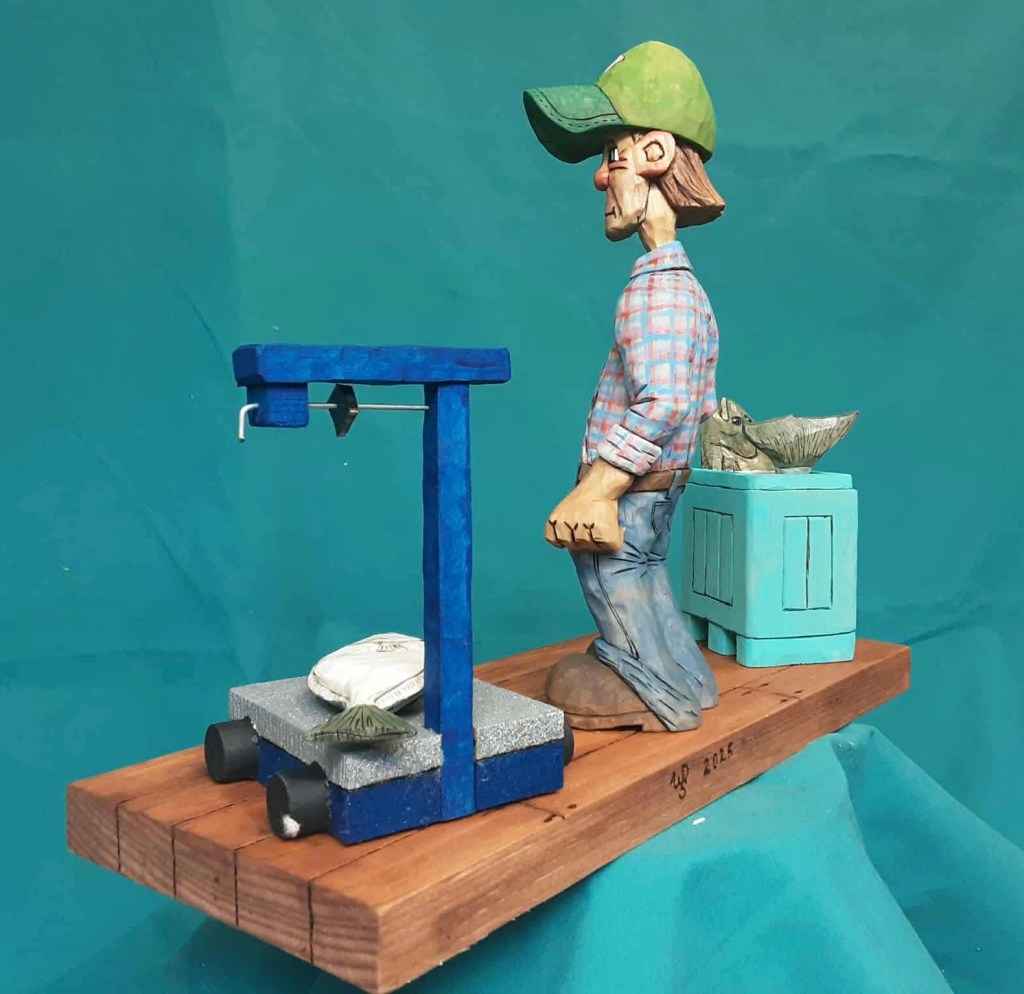
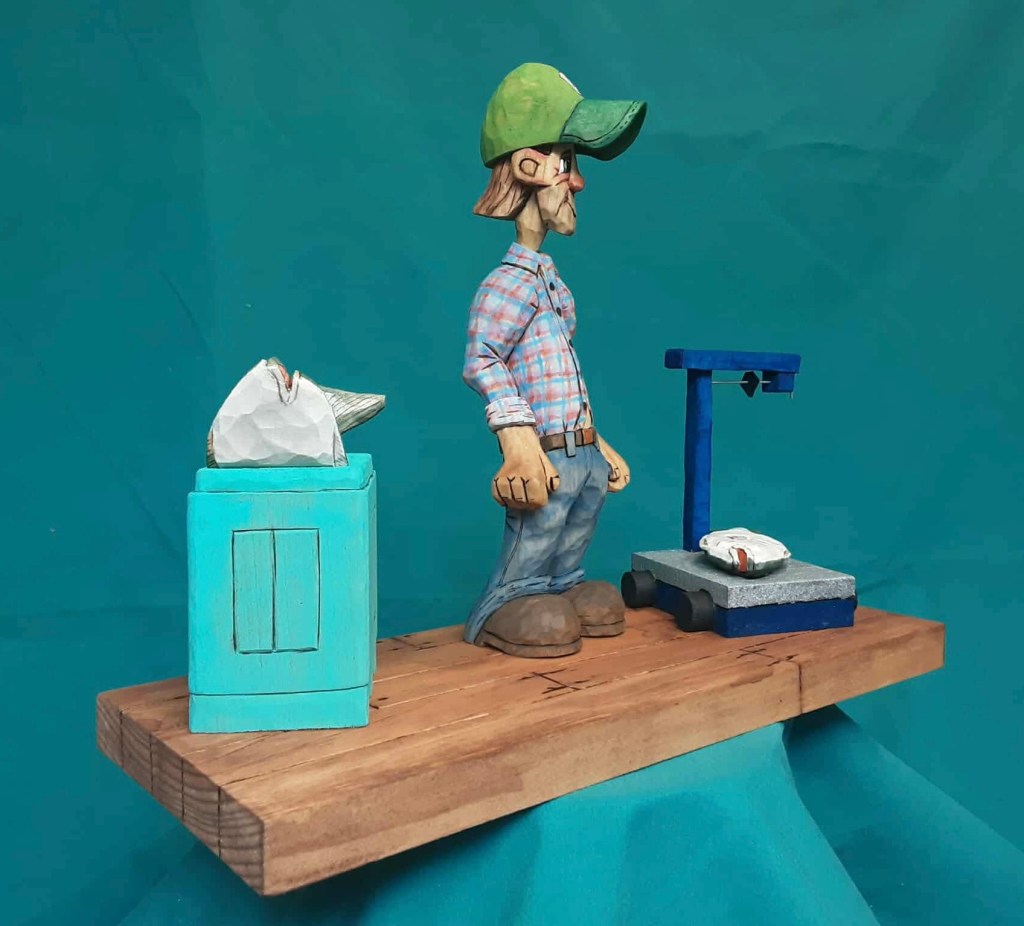
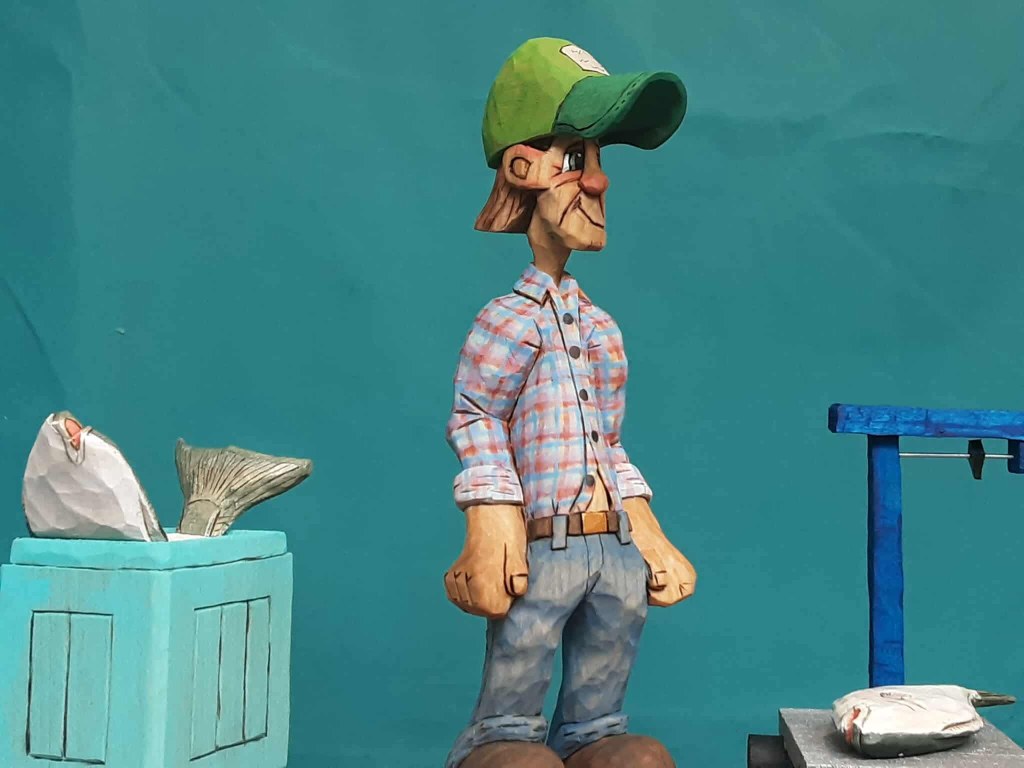
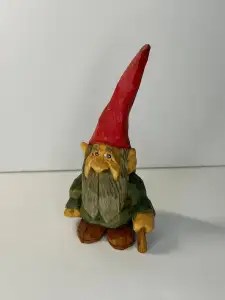
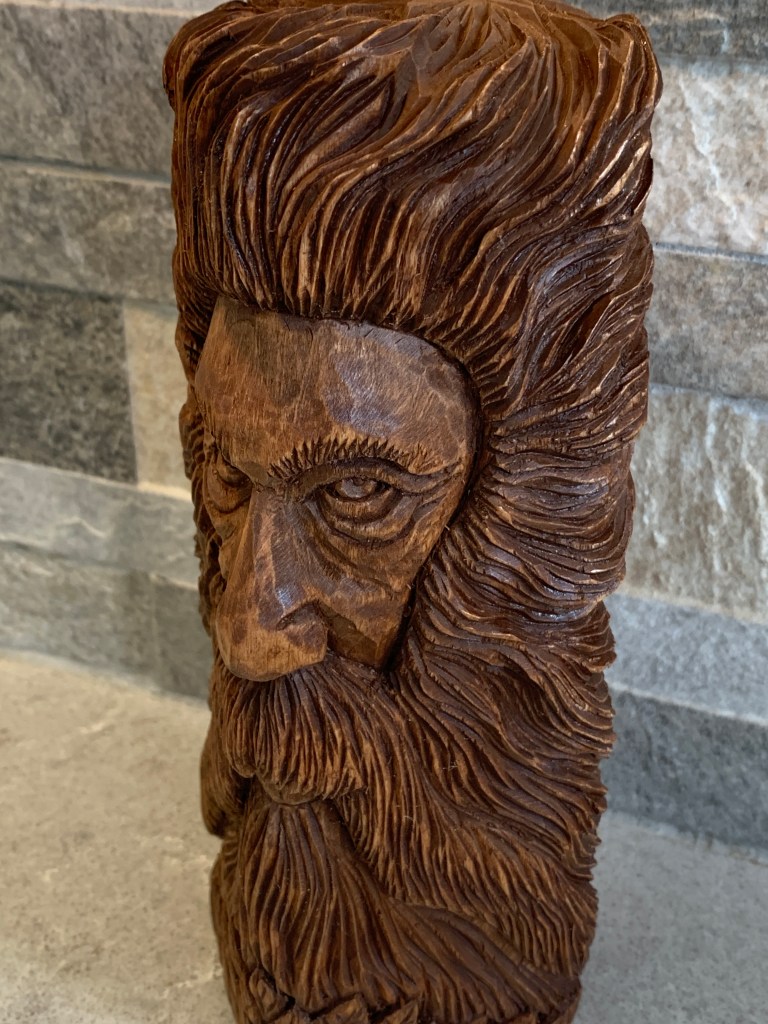
My very good friend, Wayne Smith from Nova Scotia, Canada generously provided photos of two of his latest carvings. The first one is called “Weighing Fish”
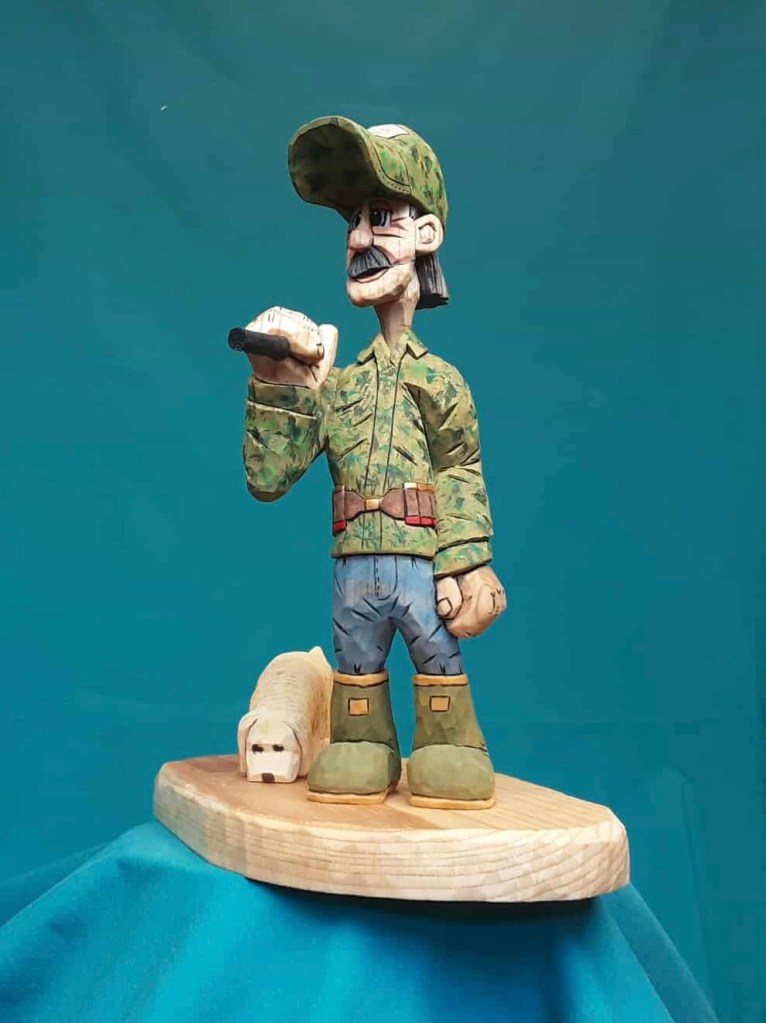
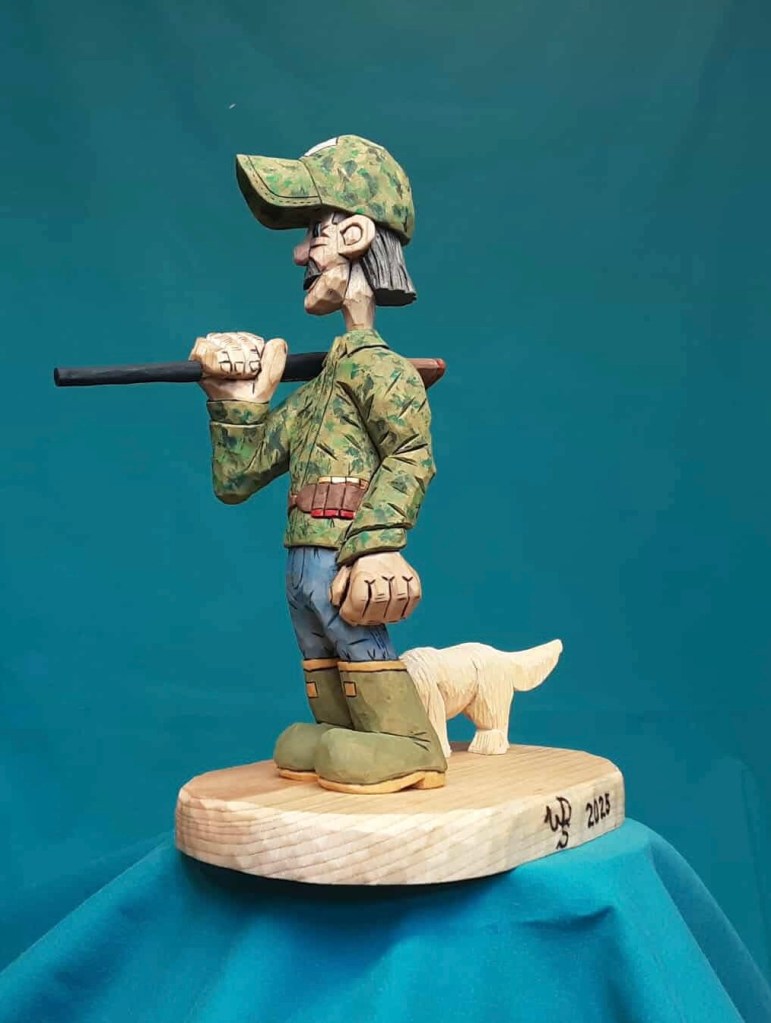
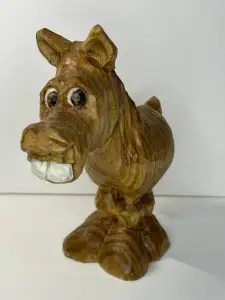
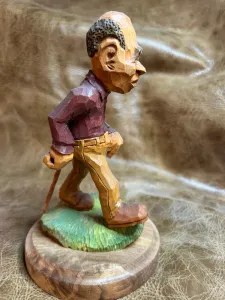
This second group of photos are of Wayne’s carving called “Walking The Dog”
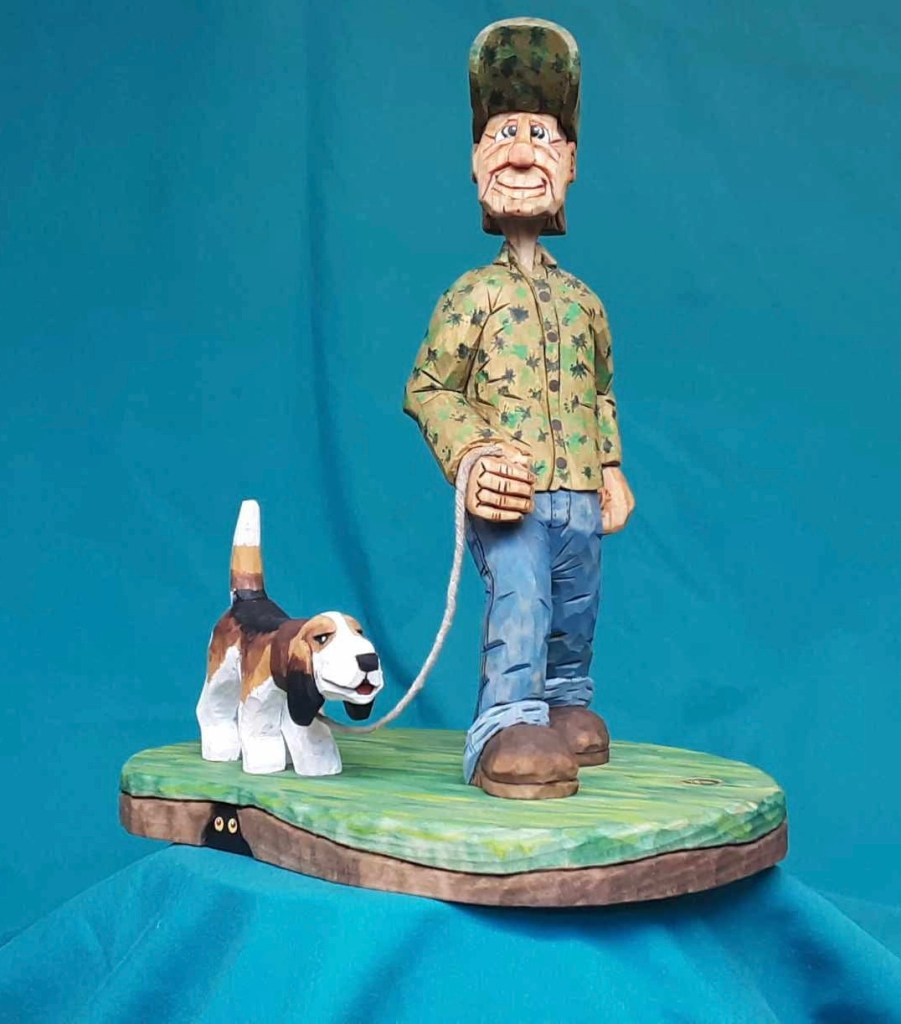
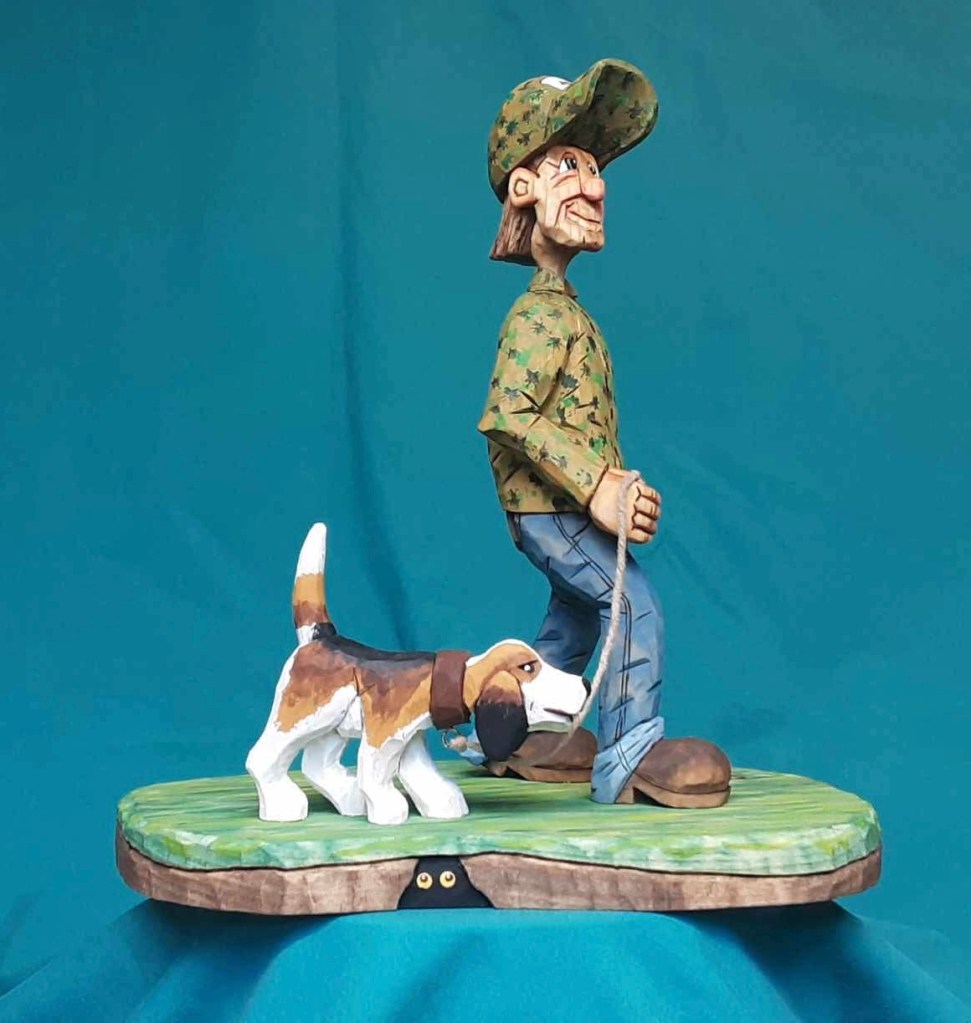
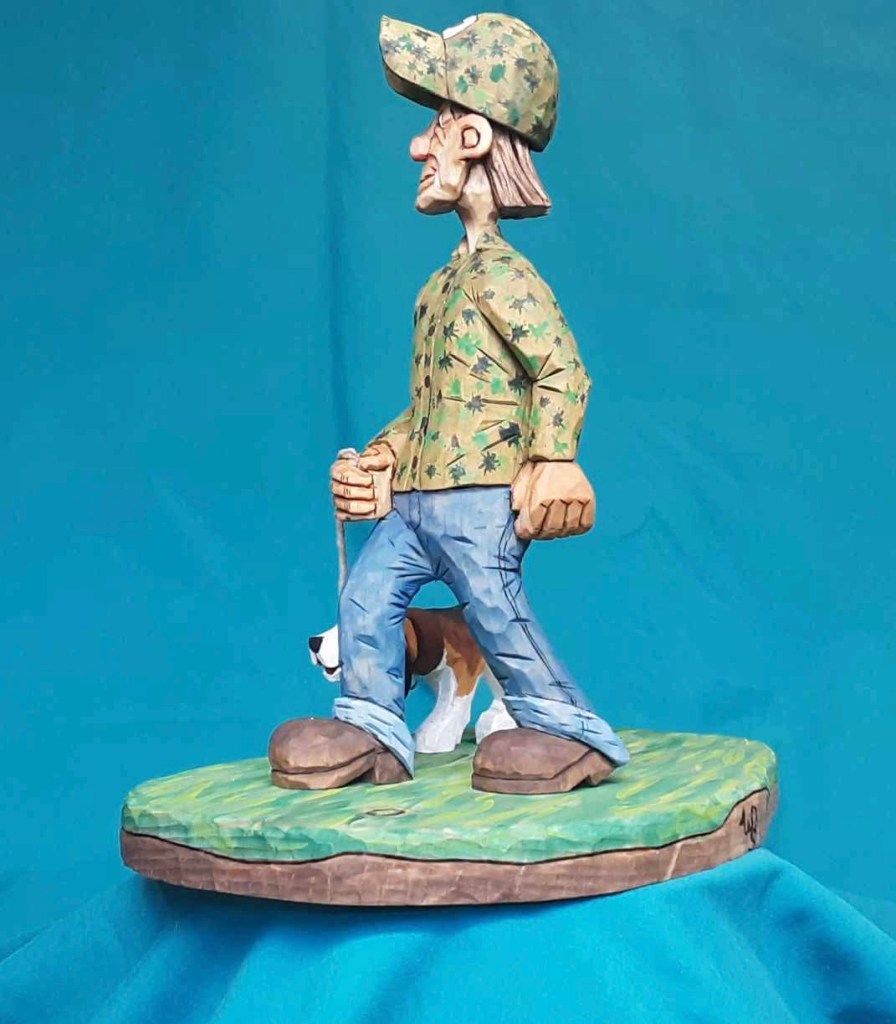
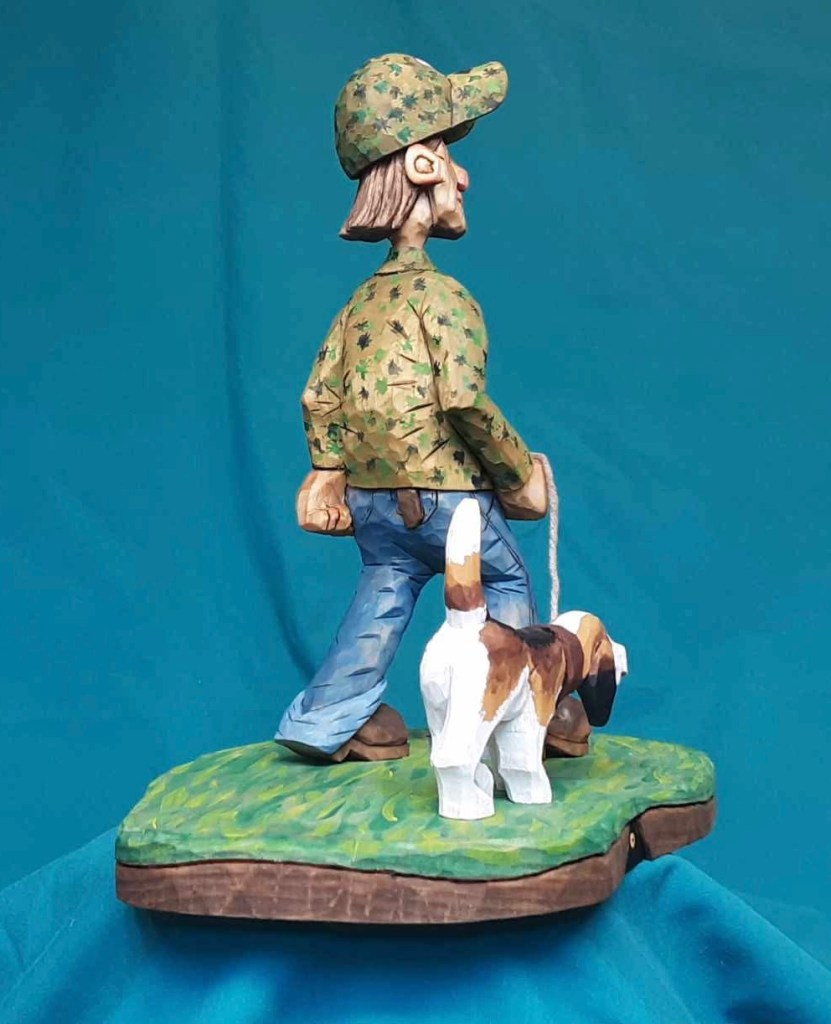
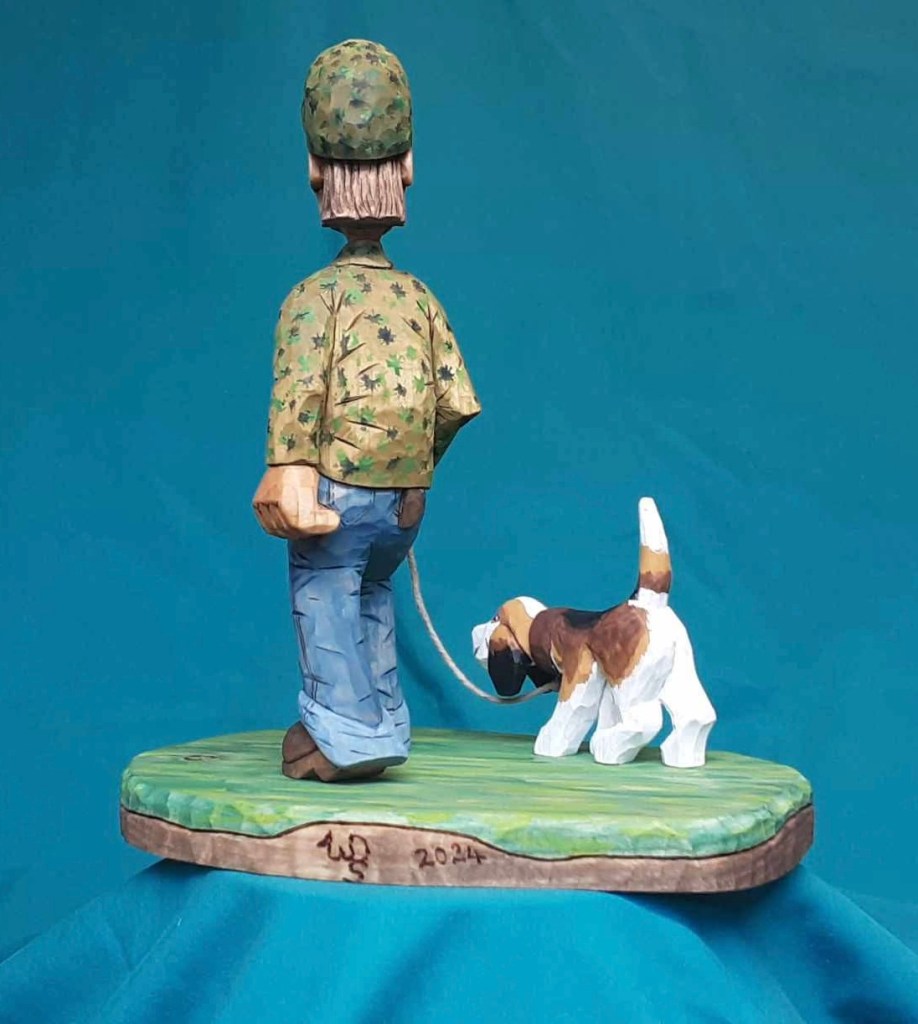
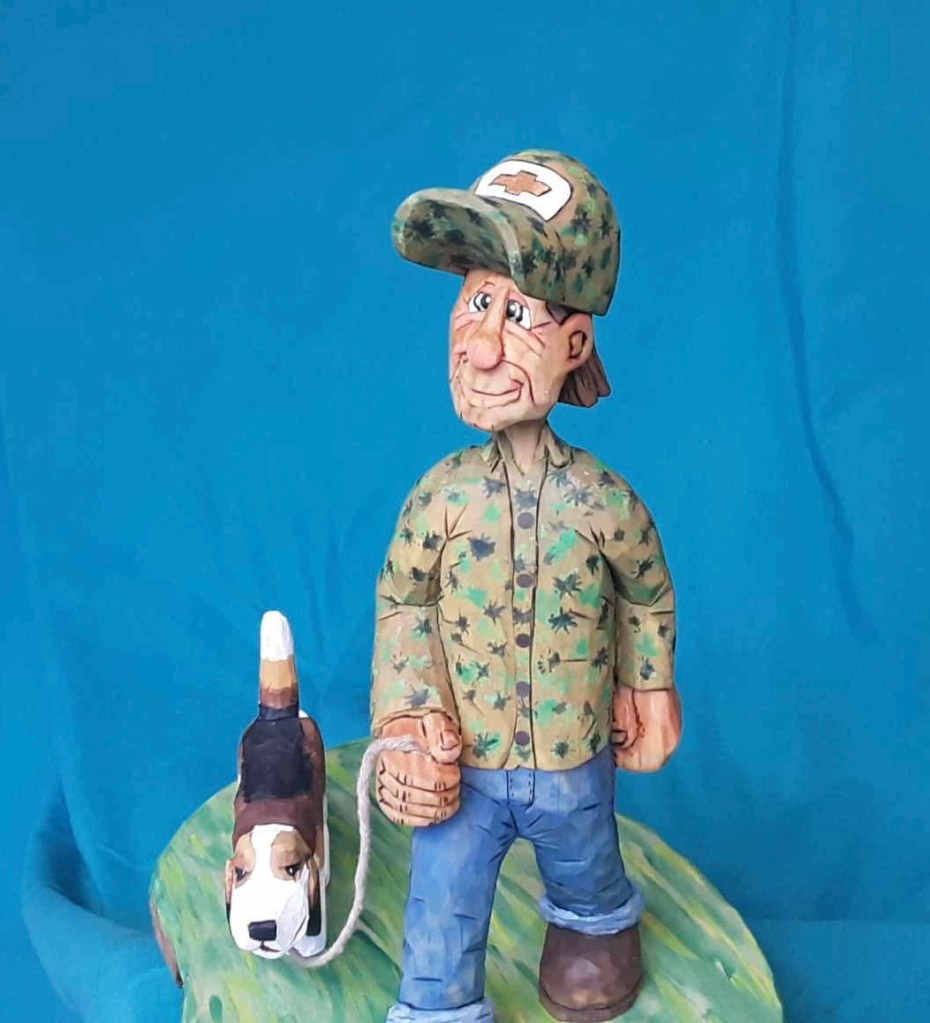
Excellent work, as always, Wayne! Thank you so much for the photos. They are greatly appreciated.
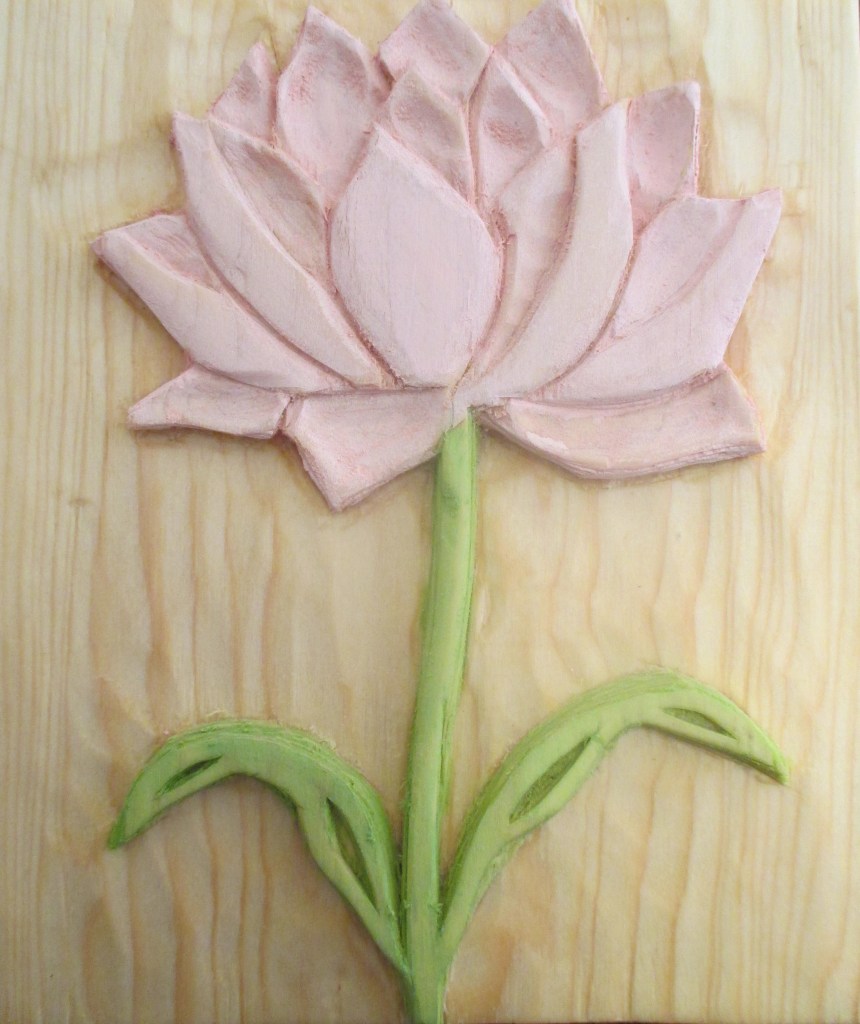
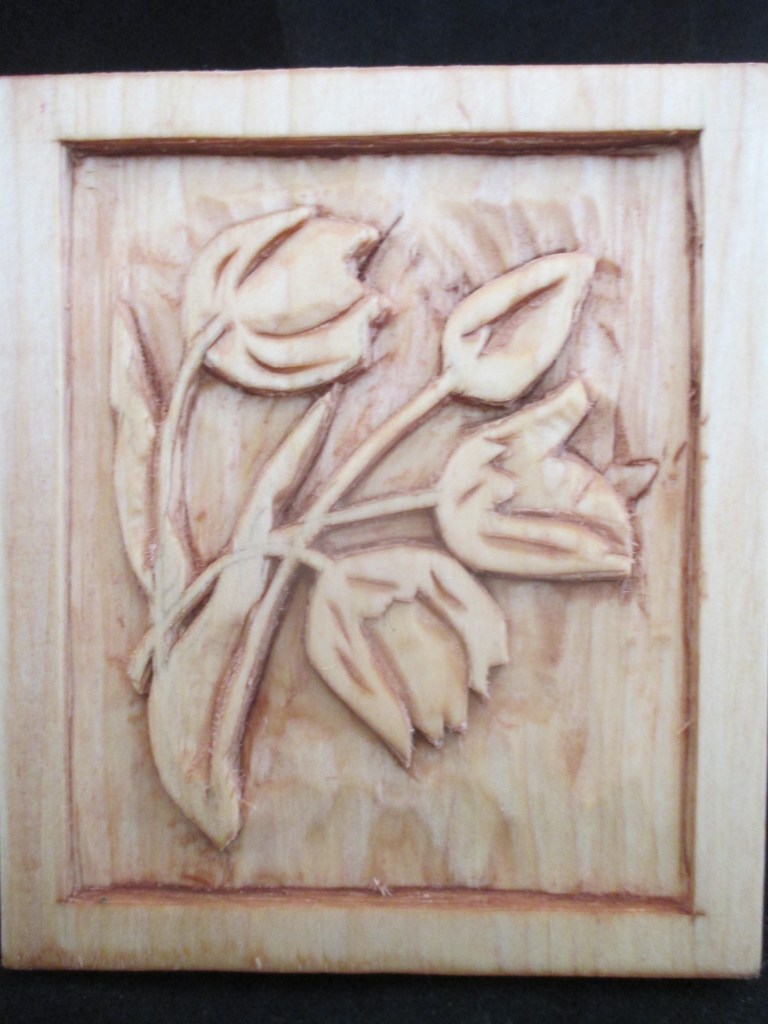
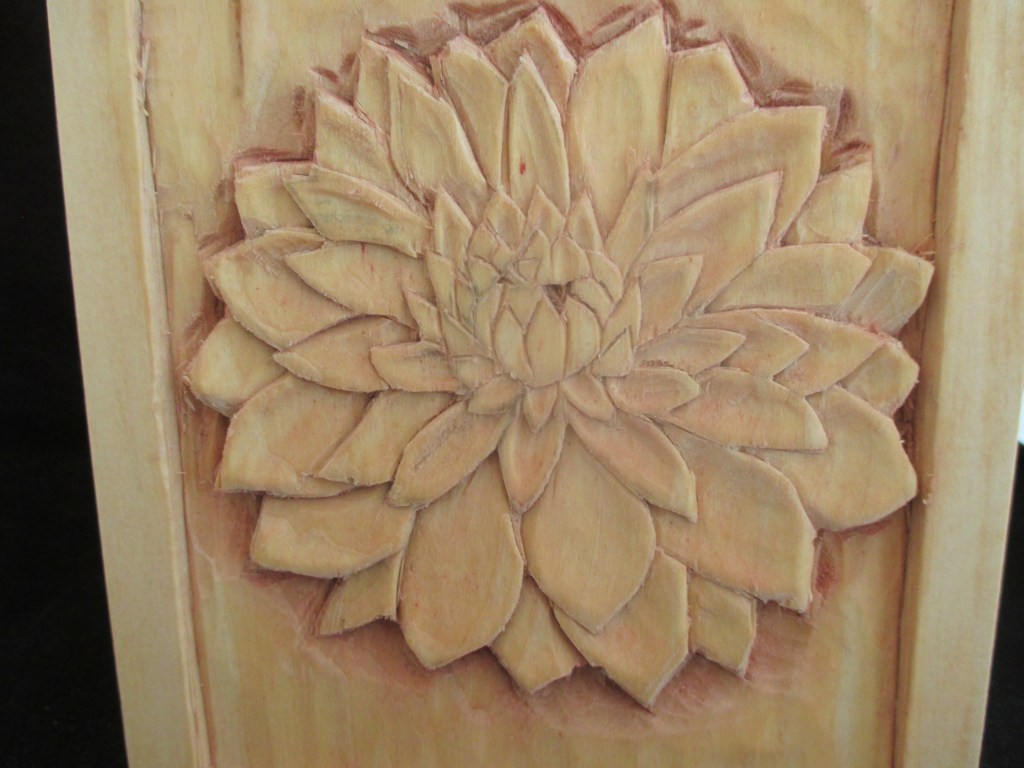
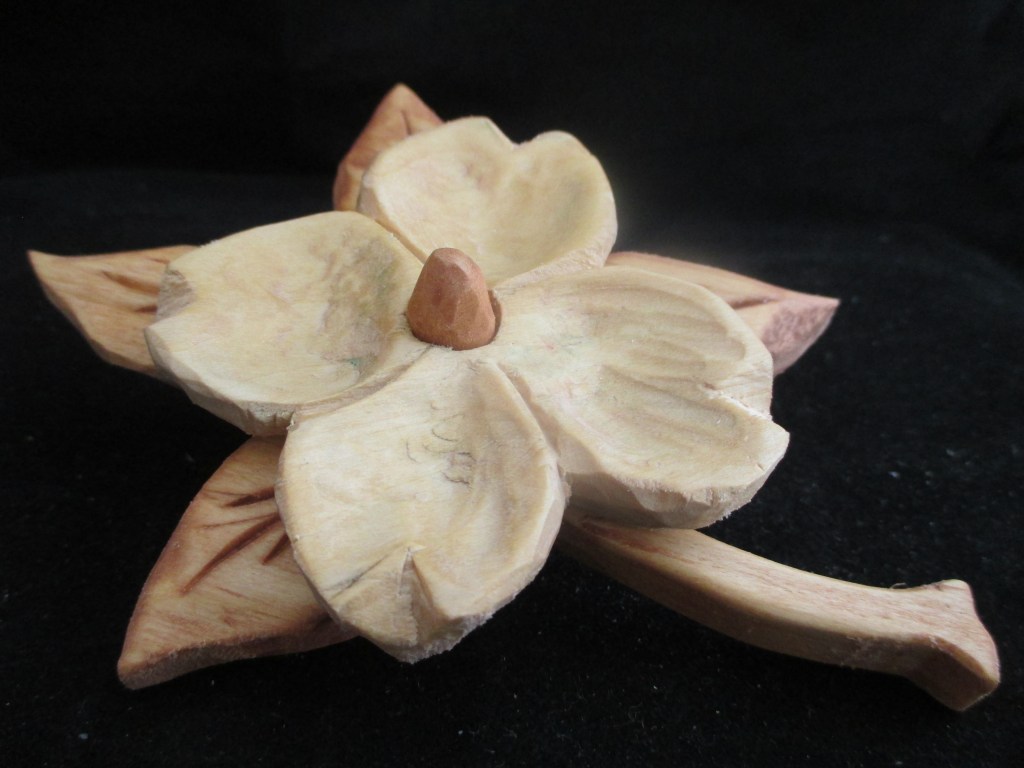
My very good friend and regular contributor, Jim Babcock from Columbus, Indiana sent in a photo of another one of his relief carvings. Jim writes:
“Bob:
Hope all is well with you. Attached is a carving of early spring blossoms; basswood. finished with an oil stain.
Jim Babcock
Columbus, Indiana”
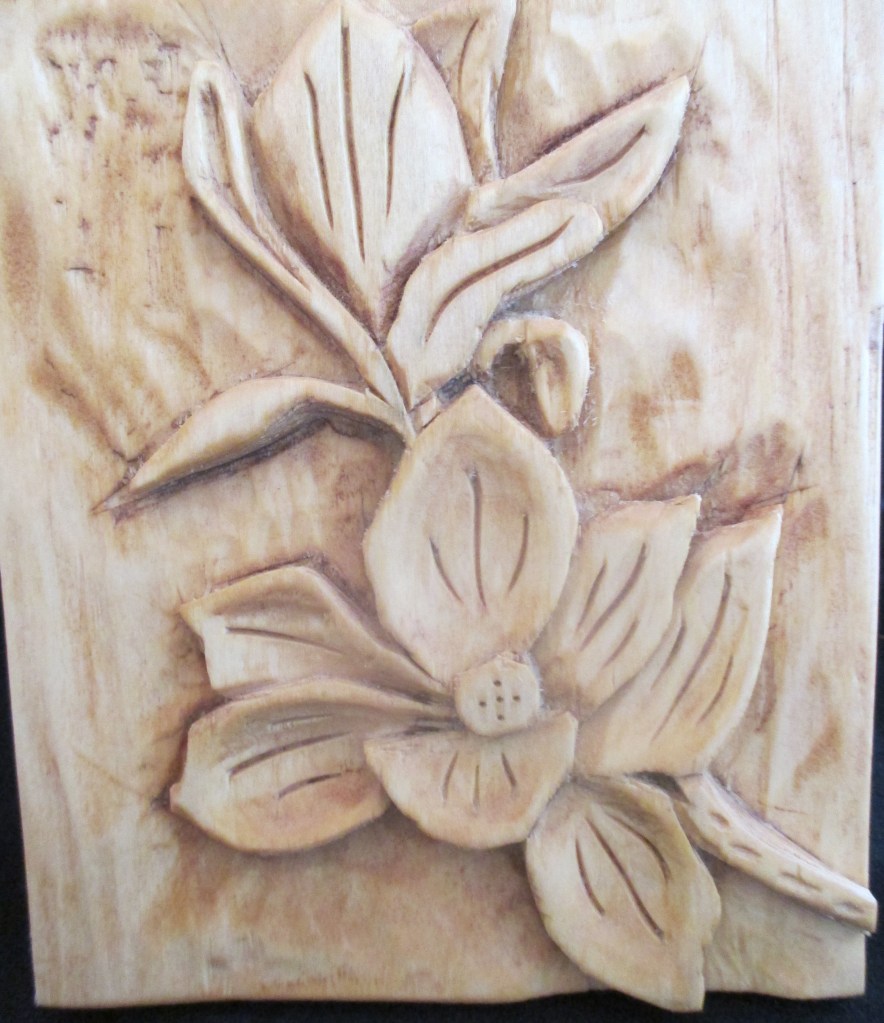
Another excellent relief carving, Jim! Thank you so much for your continued support. It is greatly appreciated.
Woodcarving Tip
After cleaning your paint brushes with warm water and soap reshape the brush with your fingers and leave a little soap in the bristles. This will help the brush maintain its shape. Just remember to rinse the brush in a little water before the next time you use it.
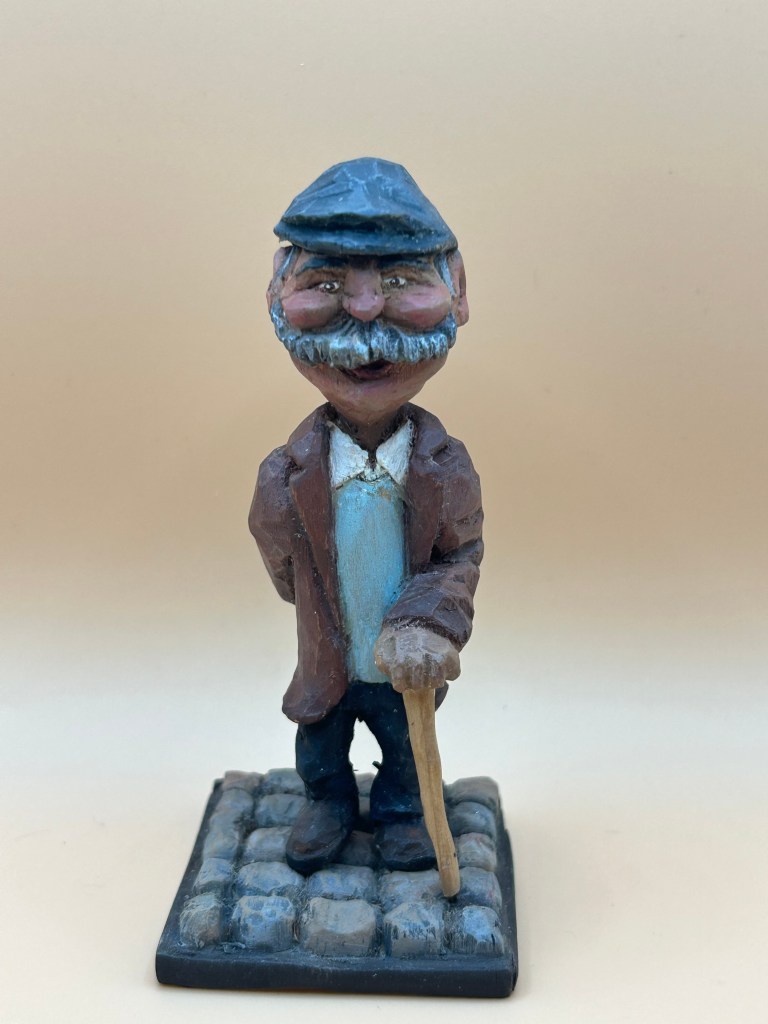
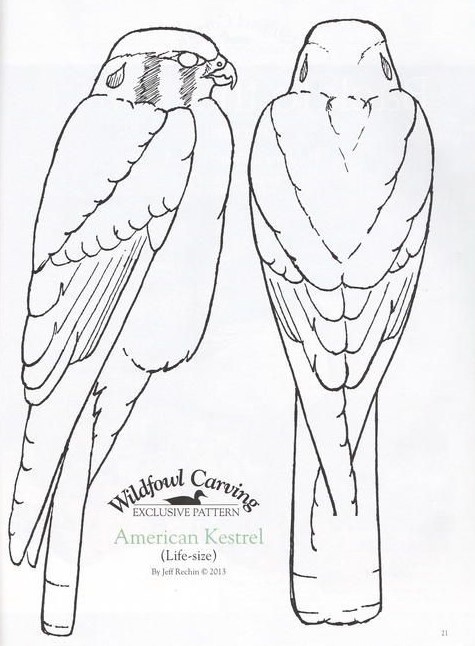
Pattern of the Month
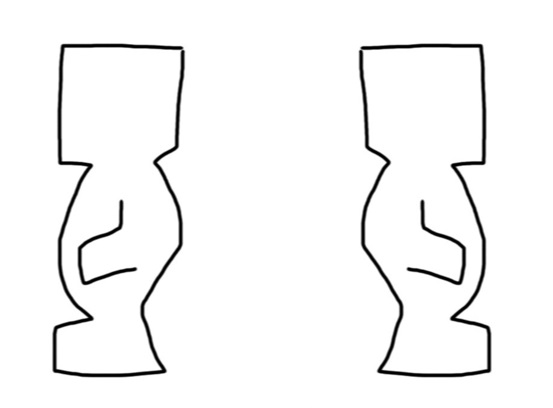
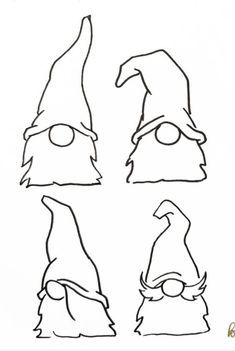
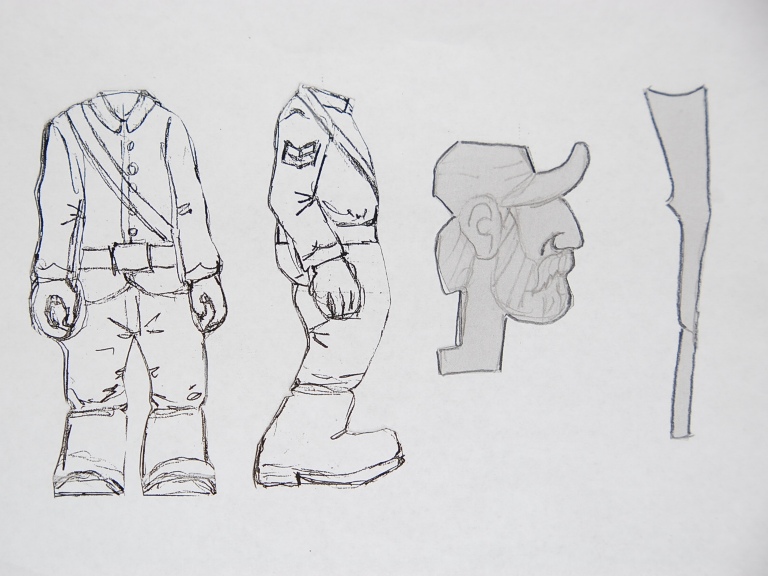
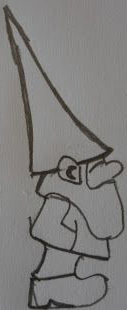
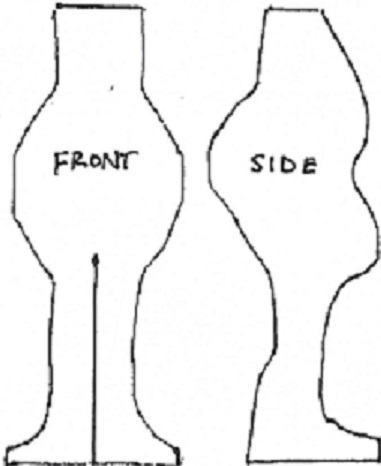
Generic Little Man Patterns
Upcoming Seminars
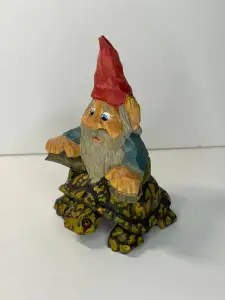
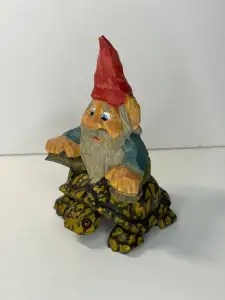
Gnome riding his Turtle
Teacher: Dwayne Gosnell
Dates: April 14,28 – 6PM Eastern
Twiitling Tuesday – 4 hours ( 2 sessions – 2 hours each day)
Location: Online (Via Zoom)
For details and to sign up click on Dwayn’s website https://www.dgosnellwoodcarving.com/
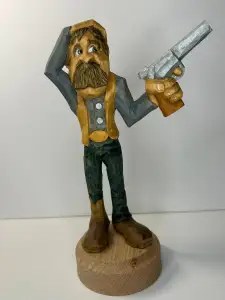
Left-handed Larry
Teacher: Dwayne Gosnell
Dates: May 12,26 – 6PM Eastern
Twiitling Tuesday – 4 hours ( 2 sessions – 2 hours each day)
Location: Online (Via Zoom)
For details and to sign up click on Dwayn’s website https://www.dgosnellwoodcarving.com/
Online Classes With Chris Hammack
Teacher: Chris Hammack
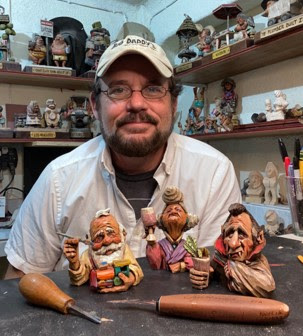
Chris Hammack is offering a new series of online classes to help students learn and sharpen their woodcarving skills. Individual and Group Classes are available through his website, chrishammackart.com/groupclass
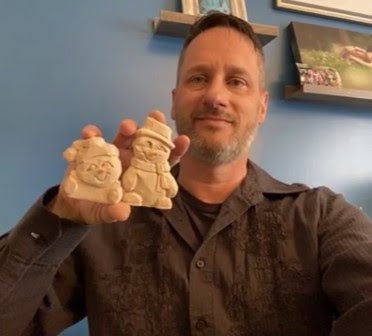
Twhitling Tuesdays
Teacher: Dwayne Gosnell
Dates: Two – 2 hour classes each month on Tuesdays
Location: Online (Via Zoom)
To sign up, contact Dwayne Gosnell via email at dagwood_76@gmail.com

Woodcarving Academy
Established in 2020, the Woodcarving Academy offers dozens of videos and seminars created by some of the country’s top level instructors. More videos are added regularly as they are created by the instructors.
With a paid subscription to the Woodcarving Academy you can view any videos you like for as many times as you like.
Subscription rates: Monthly = $19.95 Quarterly = $49.95 Annual = $139.95
There is even a Free level which allows you to tour the website and watch the sample videos and content, and receive email updates as new content becomes available.
Check out the Woodcarving Academy and learn with the masters right in the comfort of your own home! Go to: www.woodcarvingacademy.com or Email: support@woodcarvingacademy.com
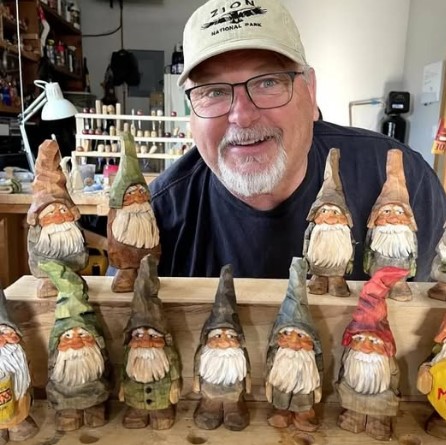
We have some Exciting News to share:
We are delighted to Welcome Bruce Ankeny as the newest woodcarving teacher joining Woodcarving Academy.
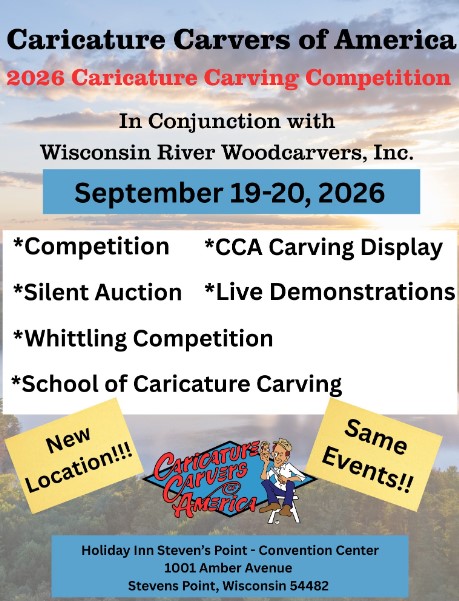
Bruce is a Caricature Carvers of America member and is well known for his great caricature carvings and creative style. We are truly delighted to have him start teaching with us!
Learn more about Bruce and his carving journey on his Teacher’s page & checkout his newly released videohttps://woodcarvingacademy.com/…/bruce-ankeny-teachers…/
Please join us in giving Bruce a warm welcome!
News & Announcements

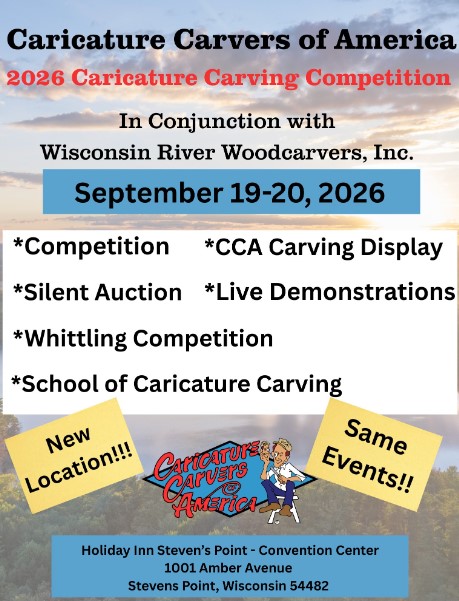
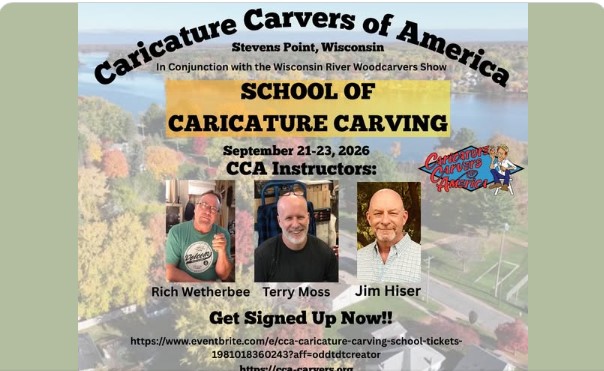
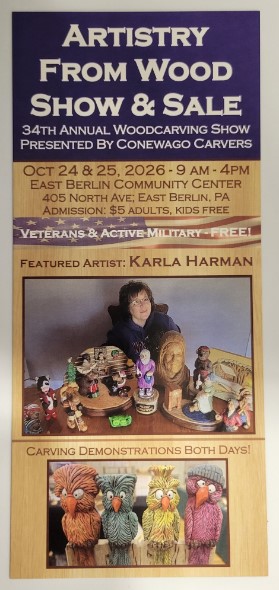

The International Association of Woodcarvers has upcoming Zoom meetings on the following Saturdays at 3PM EST with special guest presenters. Check them out…
Zoom: 310-460-3575
Presentation Schedule:
4/11 – Bob Thurston
5/2 – David Young
5/16 – Jerry McNulty
INTERNATIONAL ASSOCIATION OF WOODCARVERS
COME JOIN US!!!

The Jersey Hills Wood Carvers (JHWC) club is a small but growing group of wood carvers sharing their time, knowledge and joy of woodcarving. The JHWC generally meets from 7:00 PM EST to 9:00 PM EST on the 1st, 3rd and 5th Thursday of each month (when school is in session) at the Jefferson Township High School wood shop classroom.
Membership is “FREE” and open to anyone interested in woodcarving regardless of their ability.
JHWC’s Upcoming Meetings and Event
2026
April: 16th, 30th
May: 14th, 28th
June: 6th
For more information contact:
Al Santucci alsantucci4@gmail.com President
Bill Brunner billbrunnerdesign@gmail.com newsletter/website editor
Or visit:
Website: https://www.jerseyhillswoodcarver.com/ Facebook: https://www.facebook.com/groups/736479646821641/
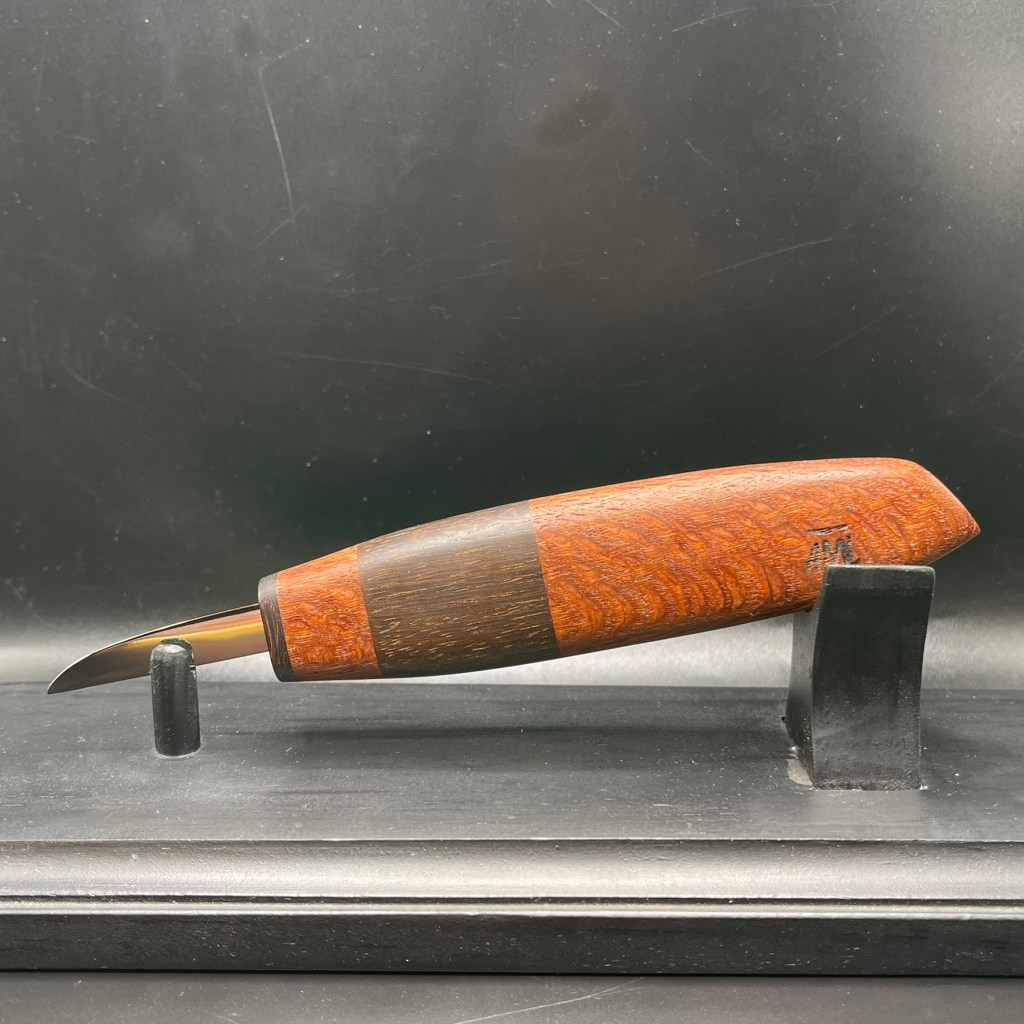
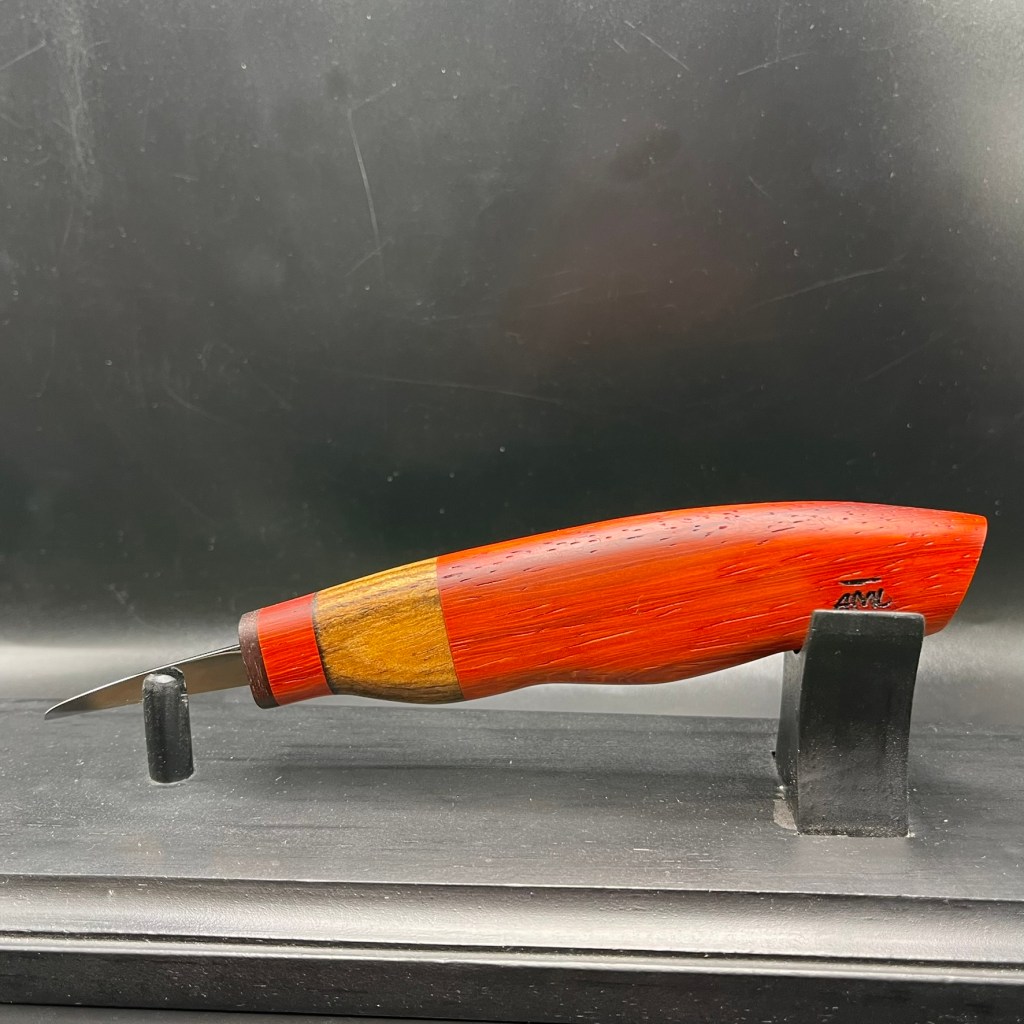
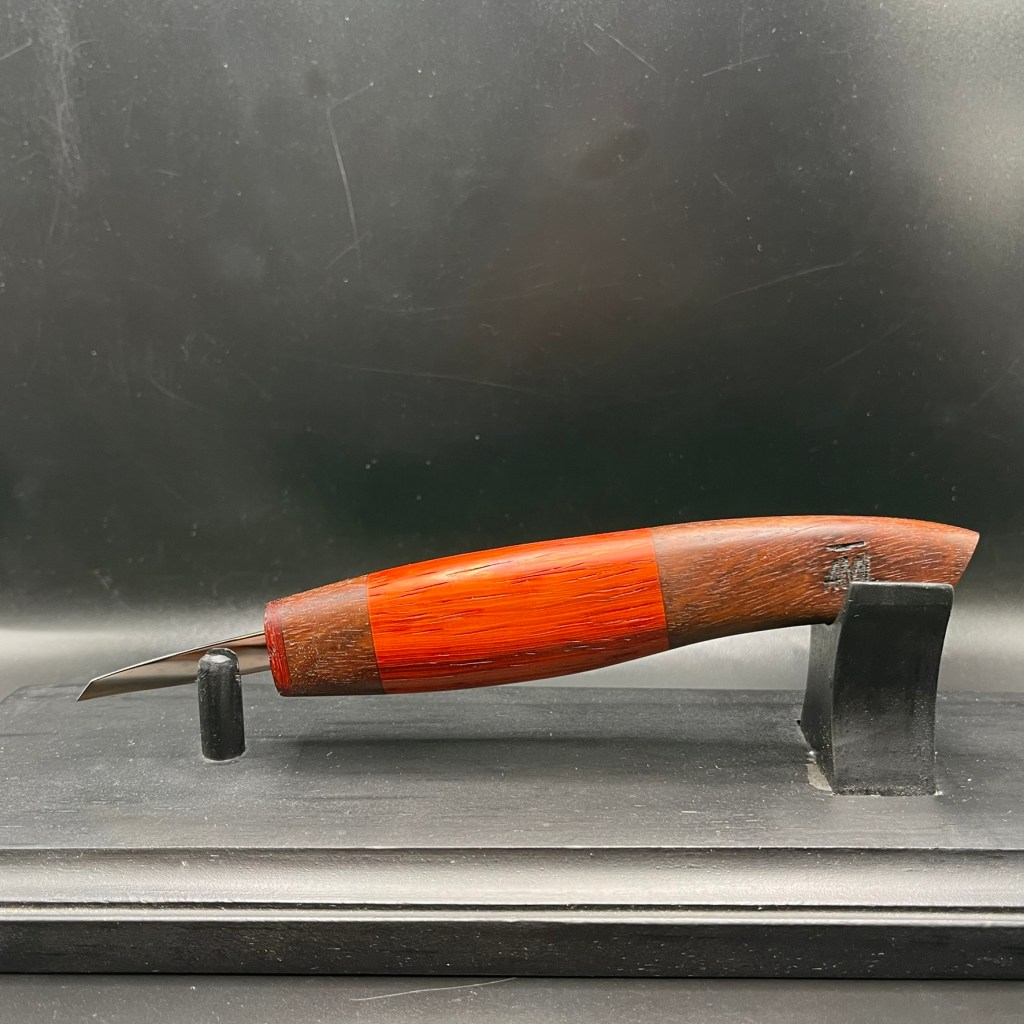
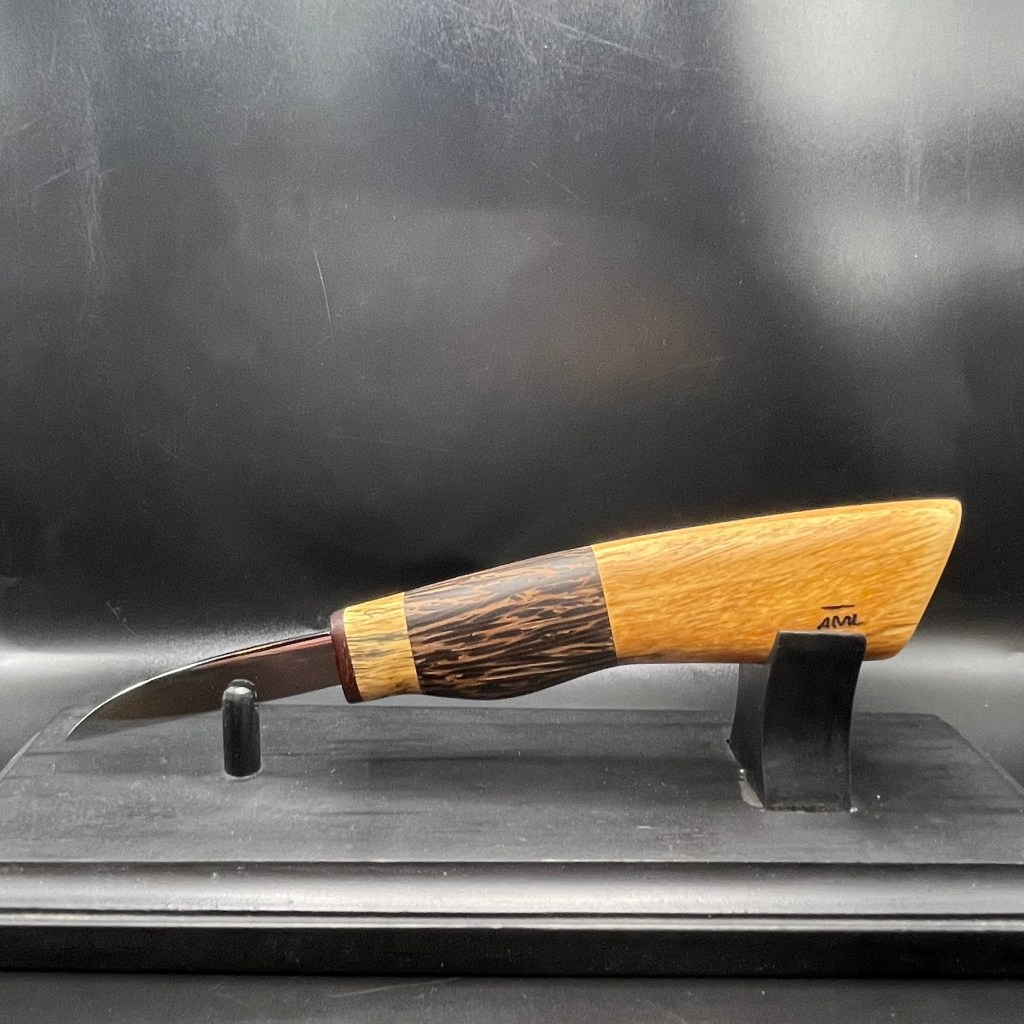
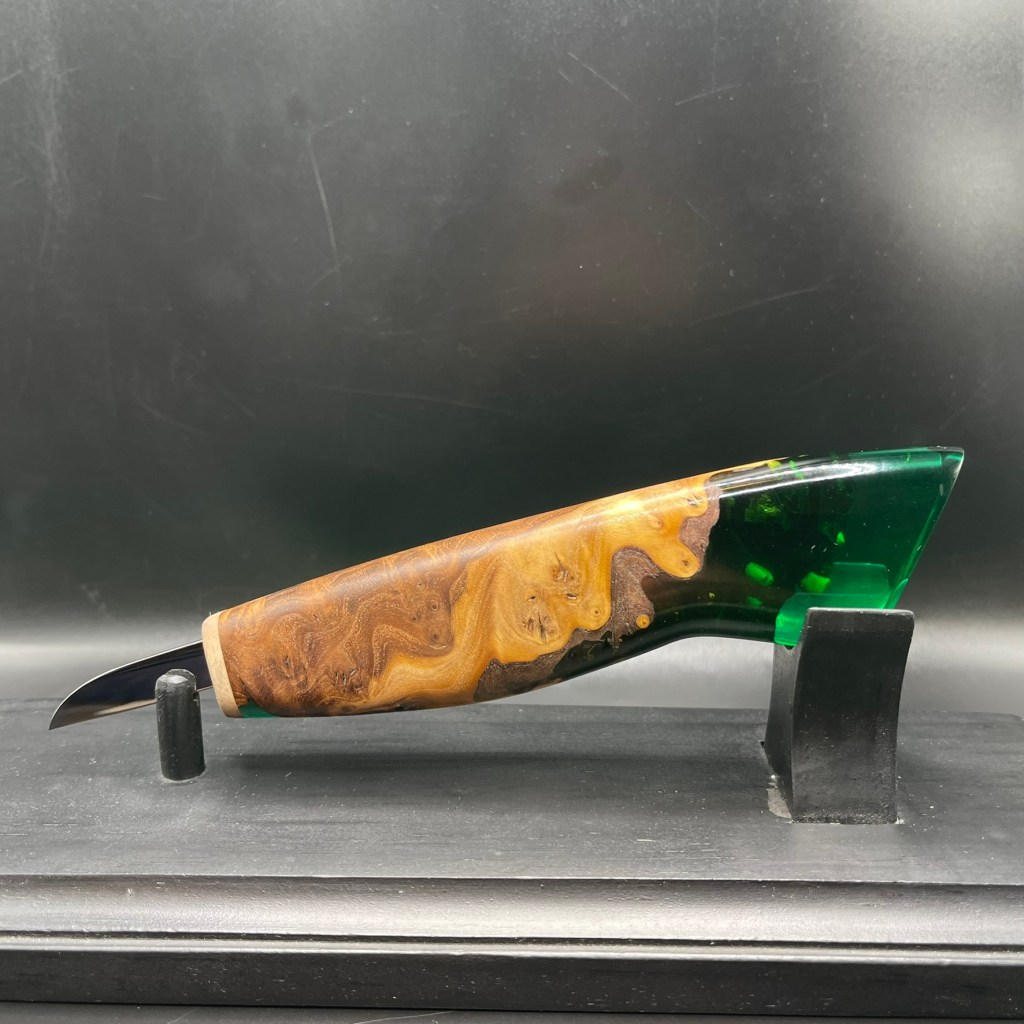
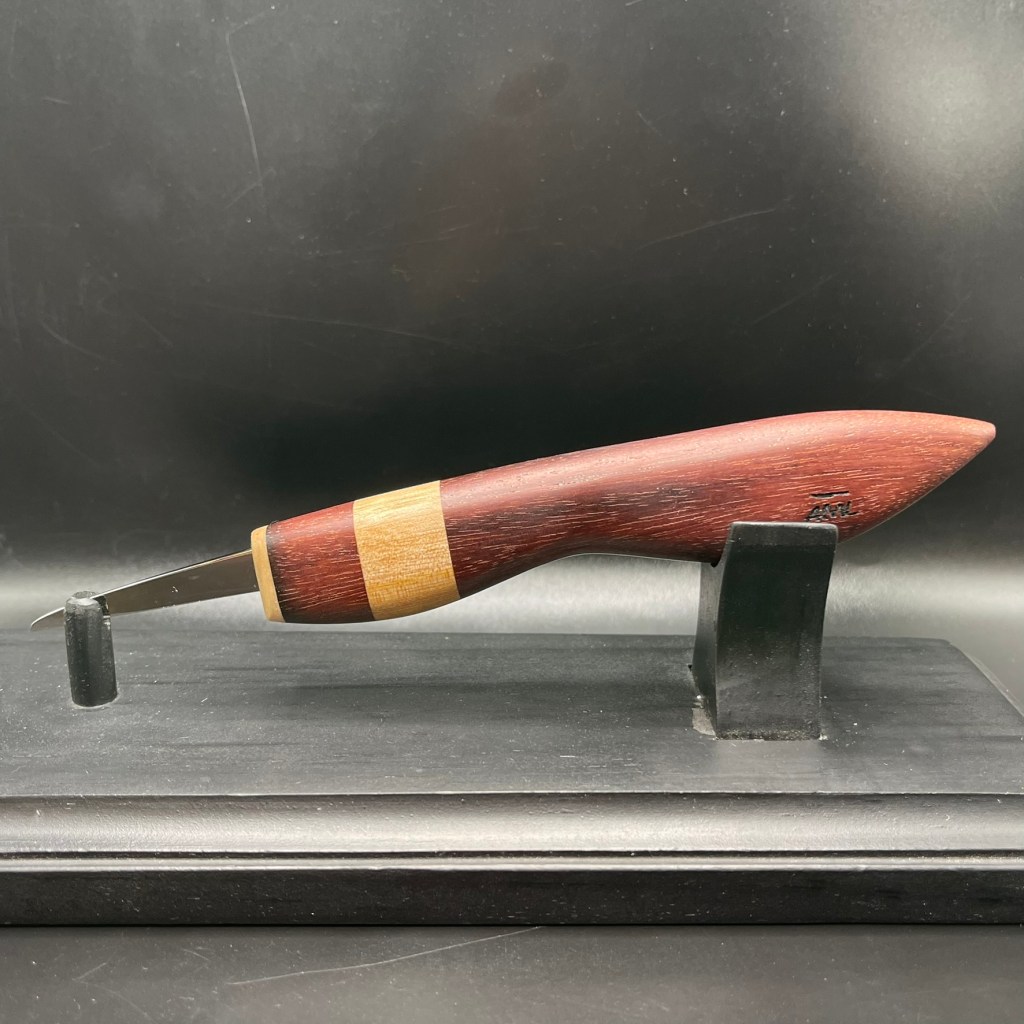
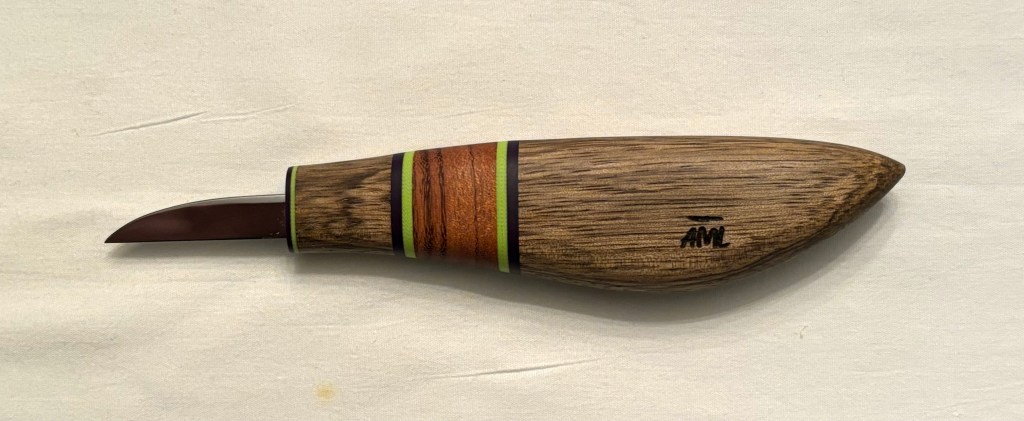
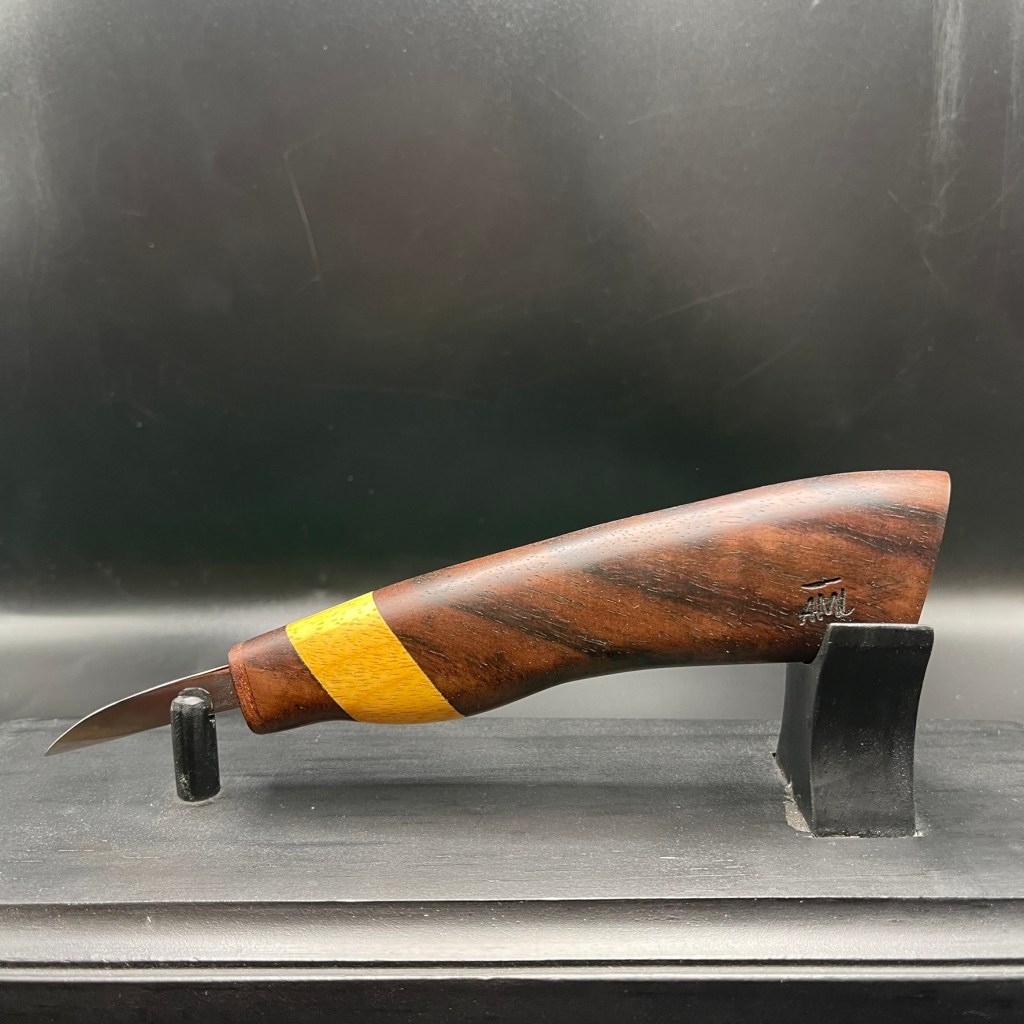
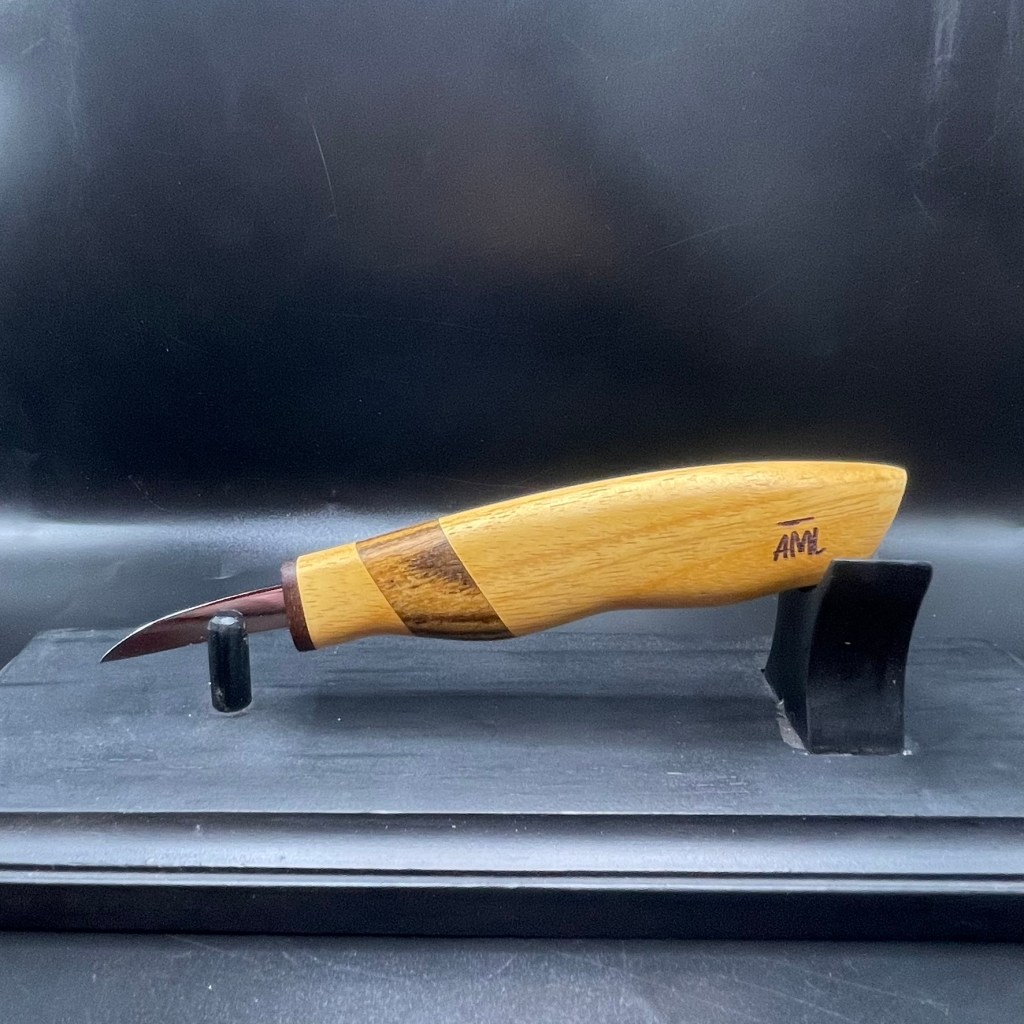
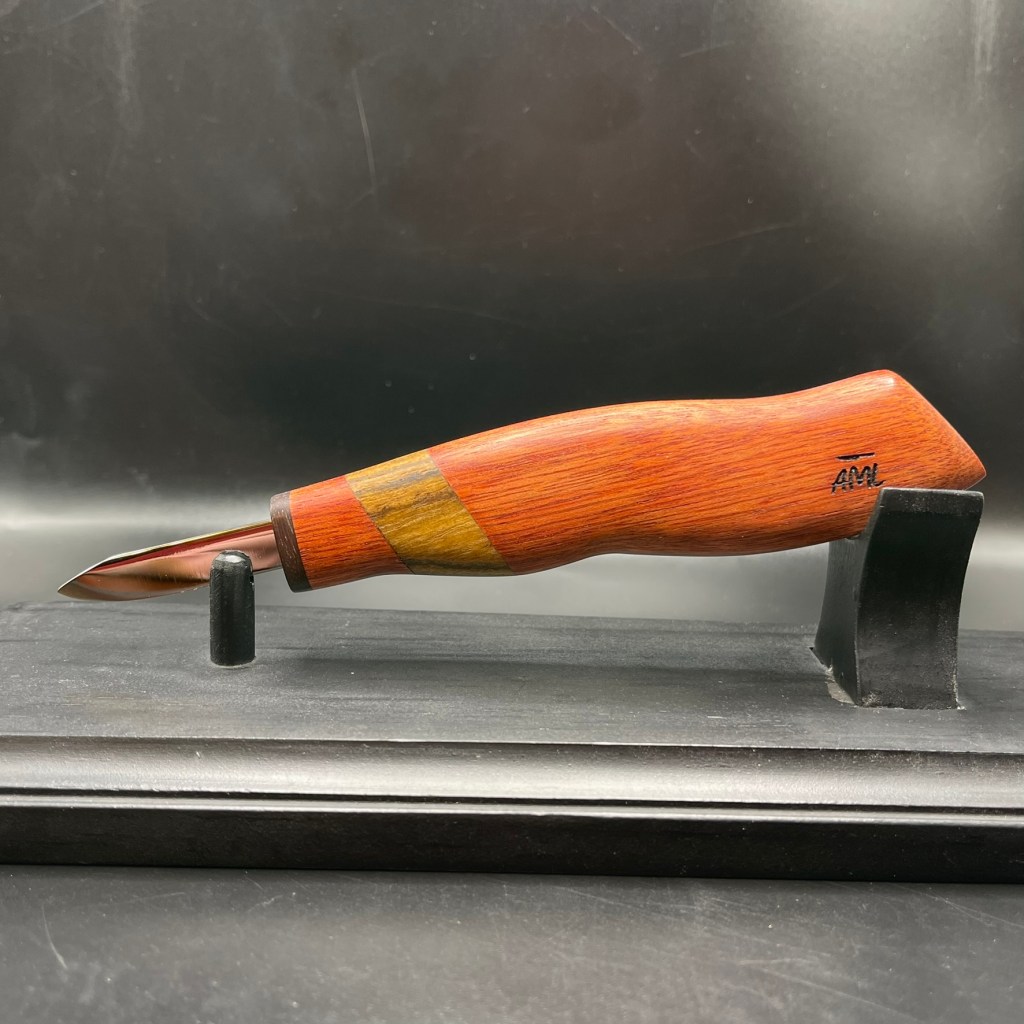
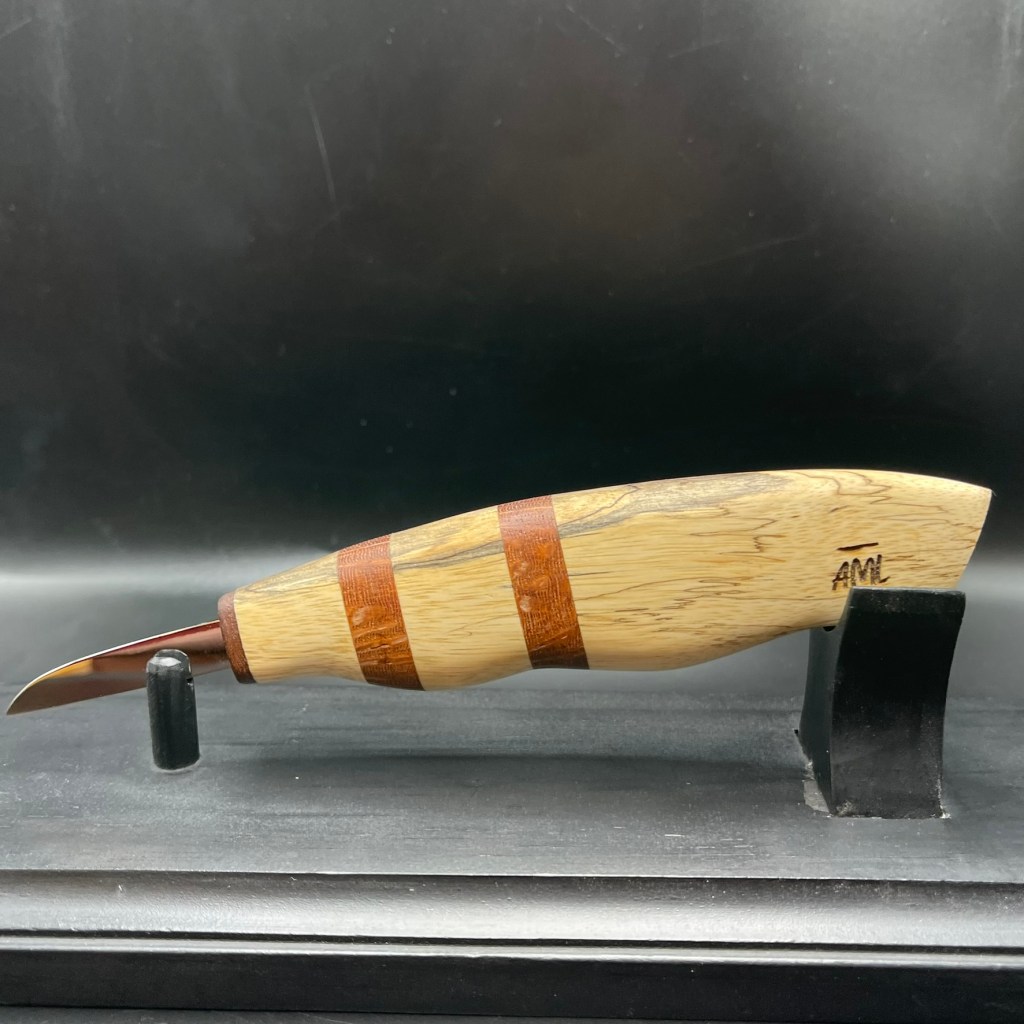
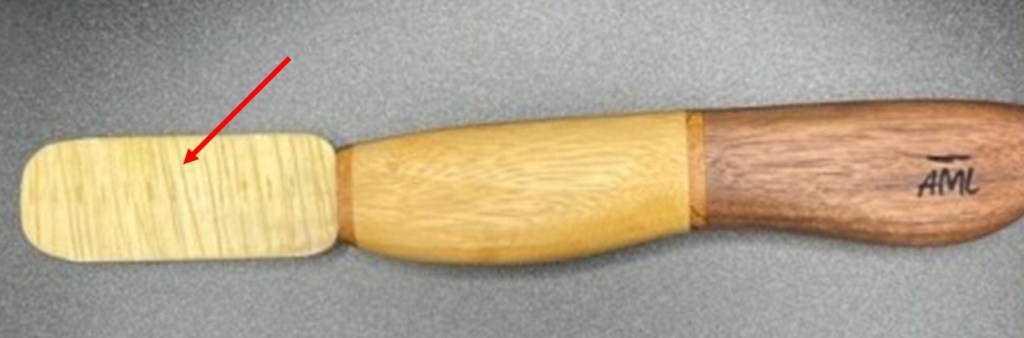
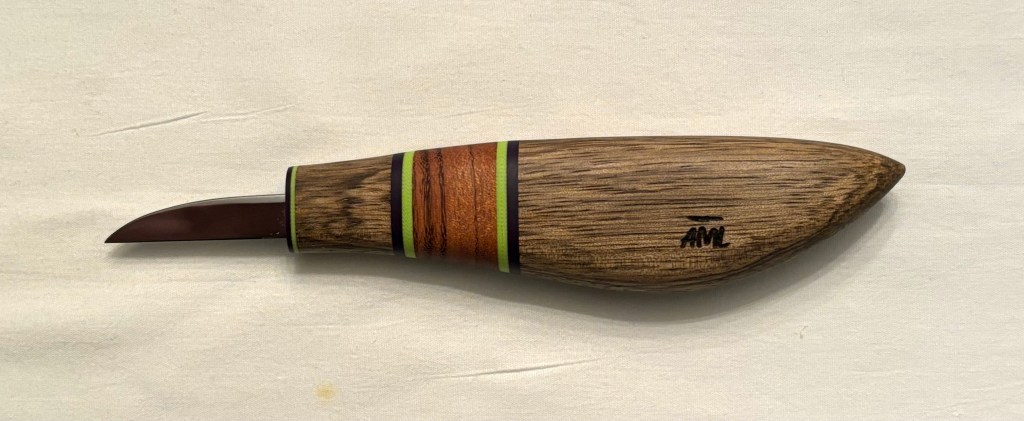
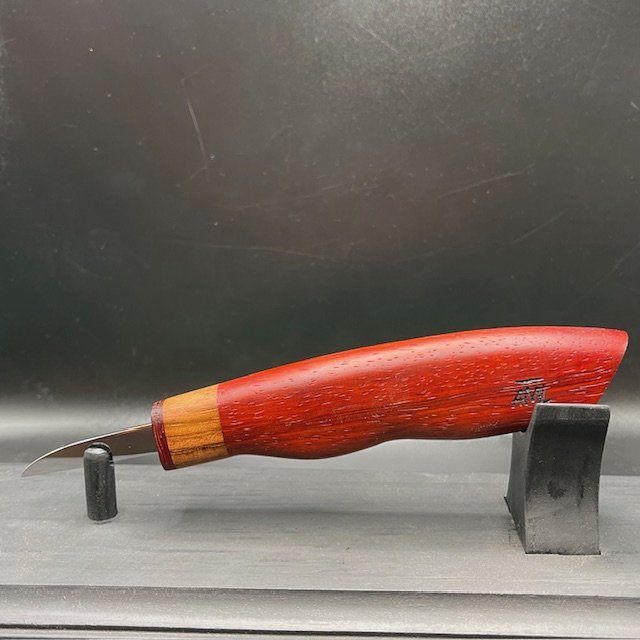
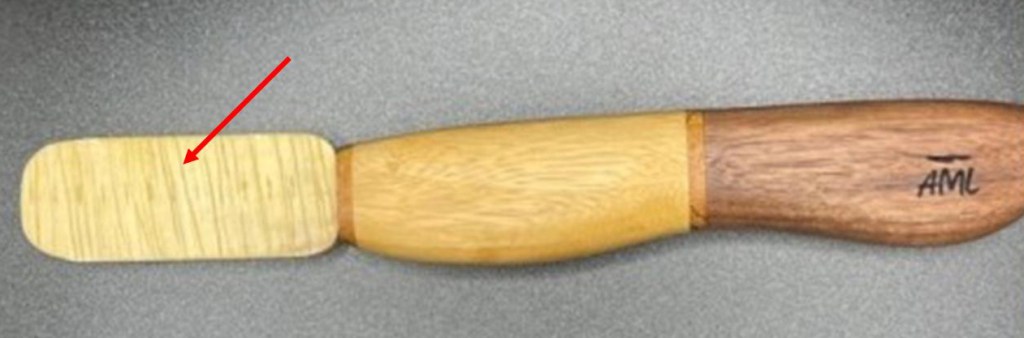
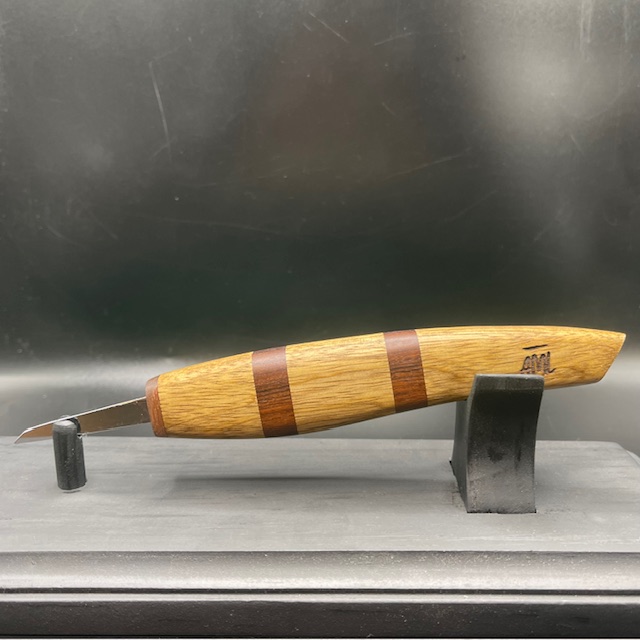
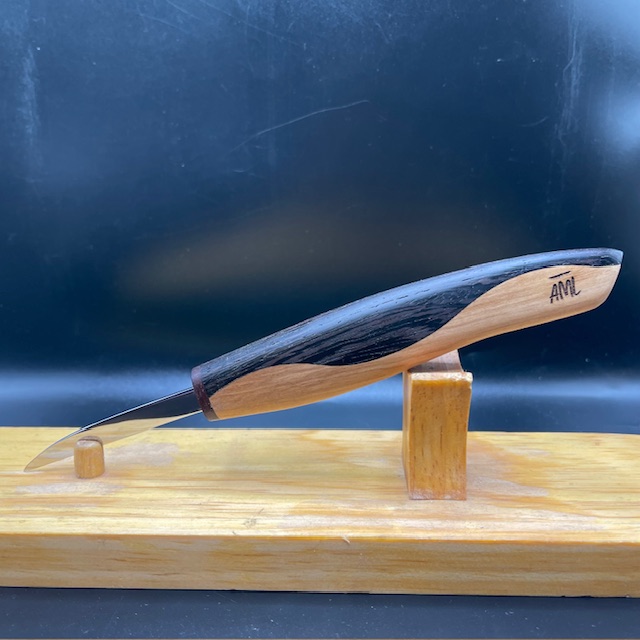
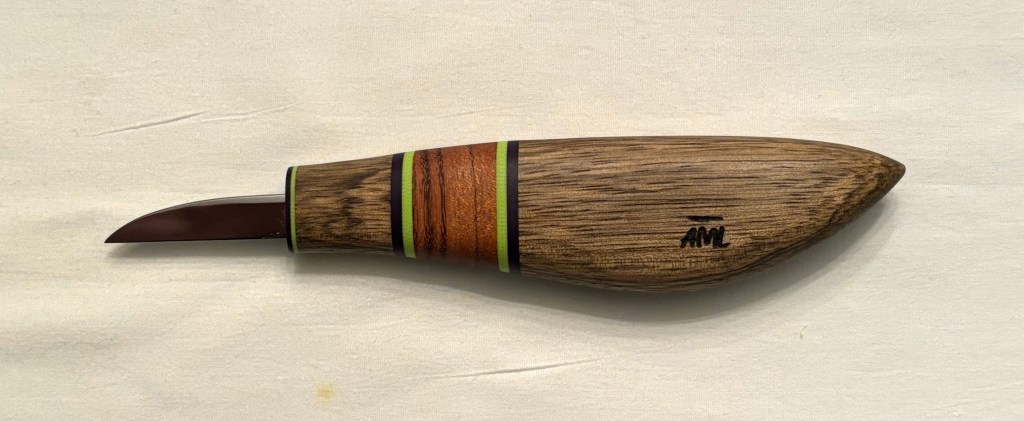
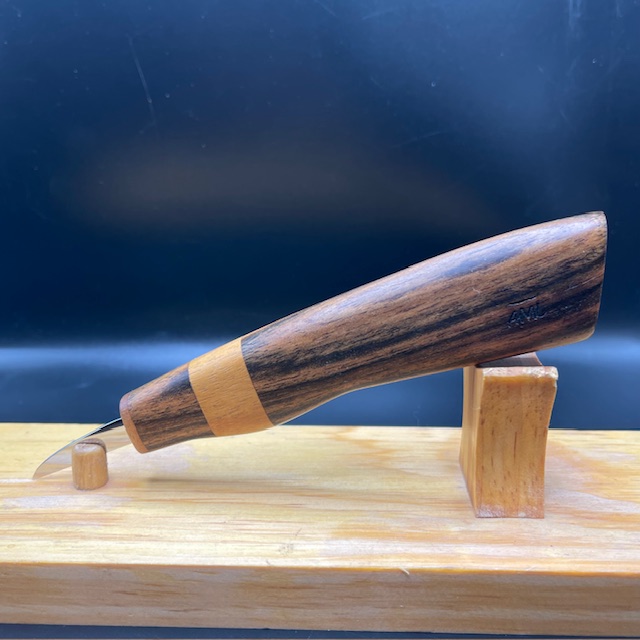
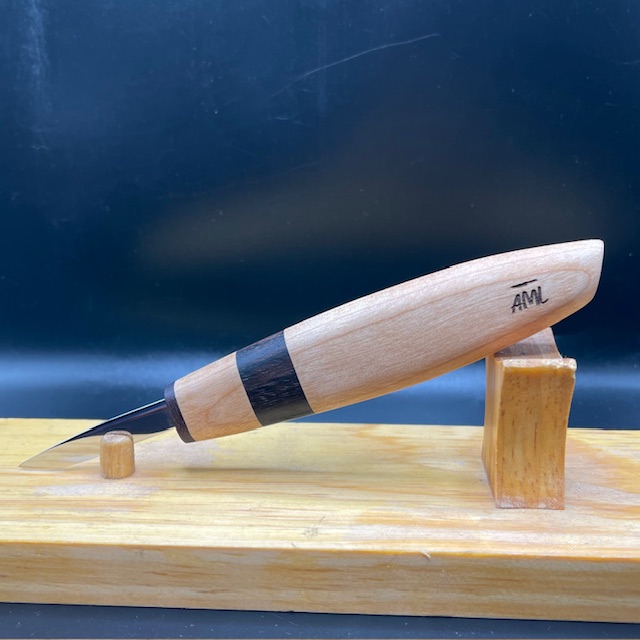
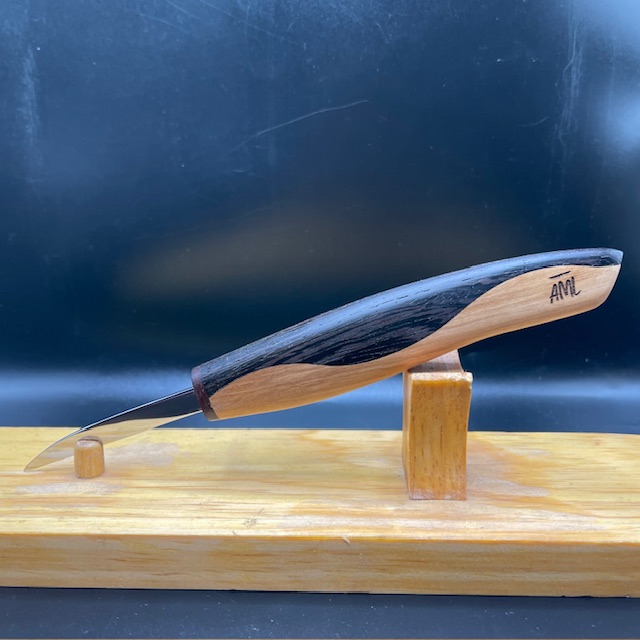
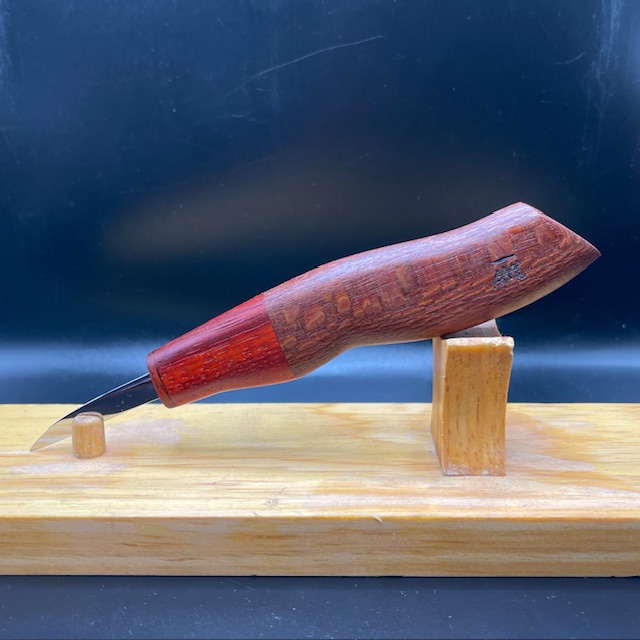
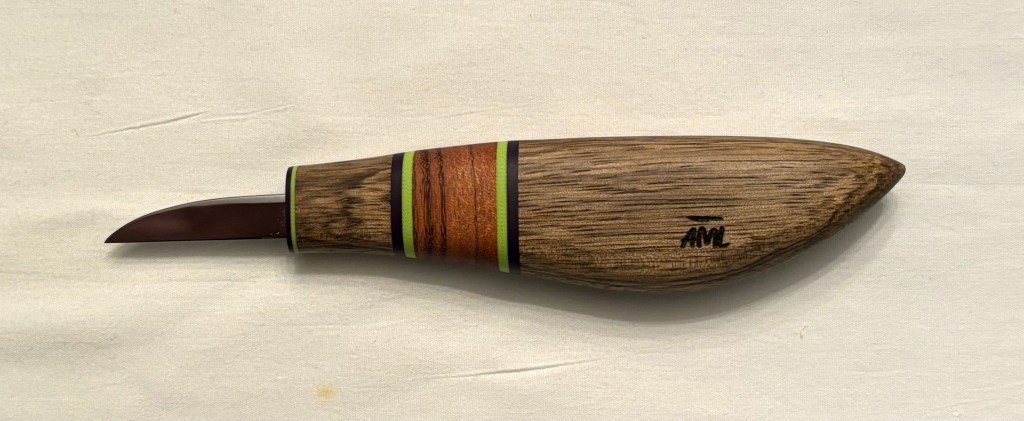
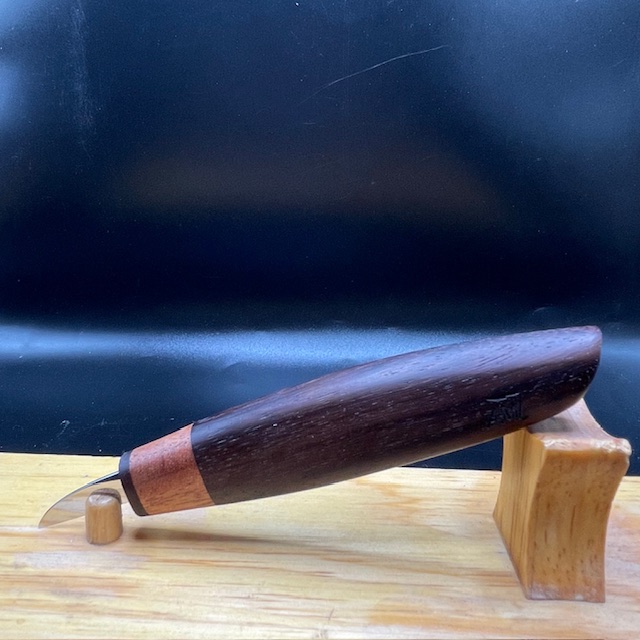
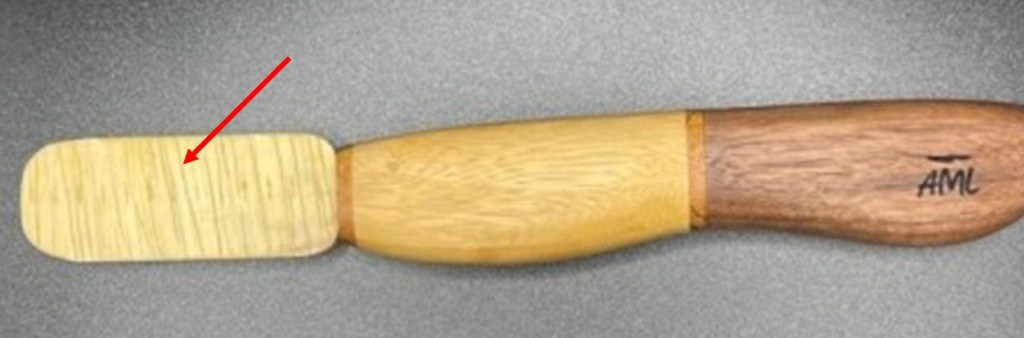
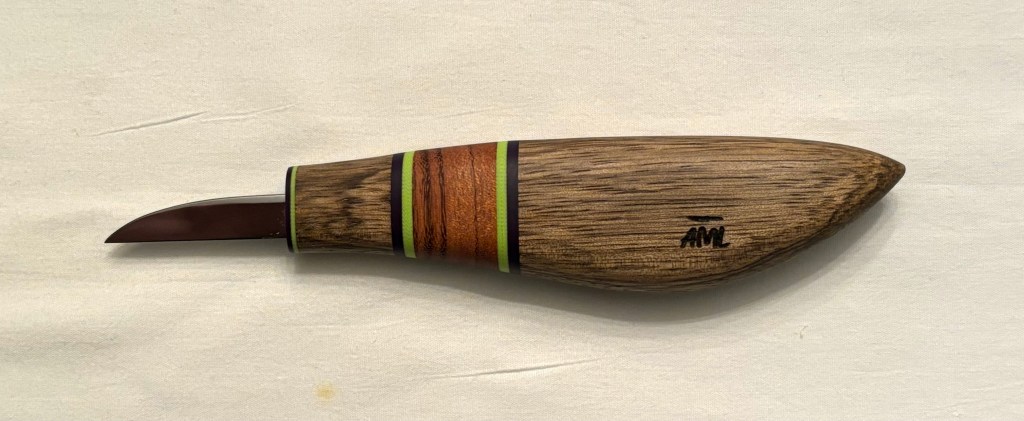
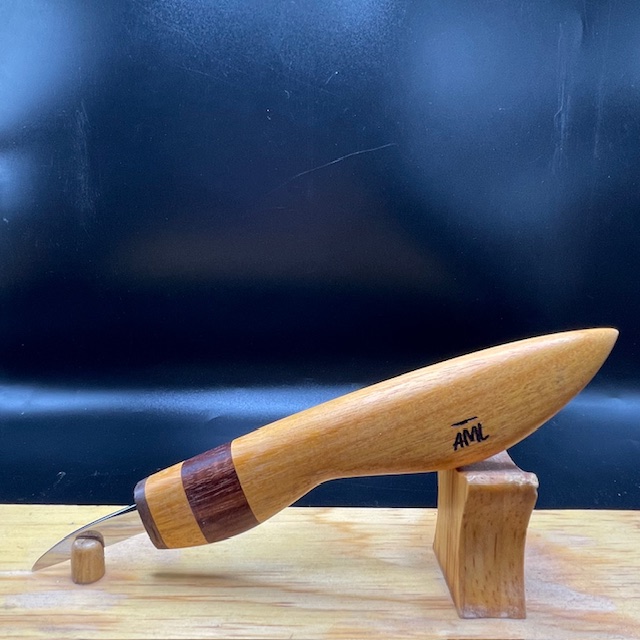
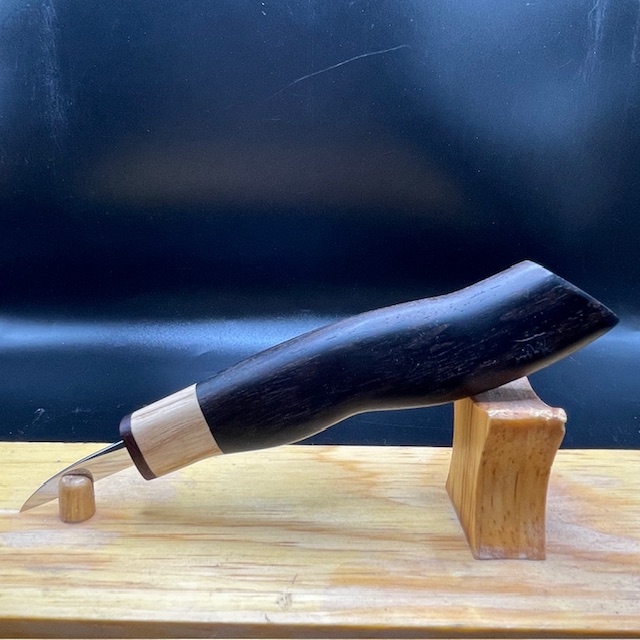
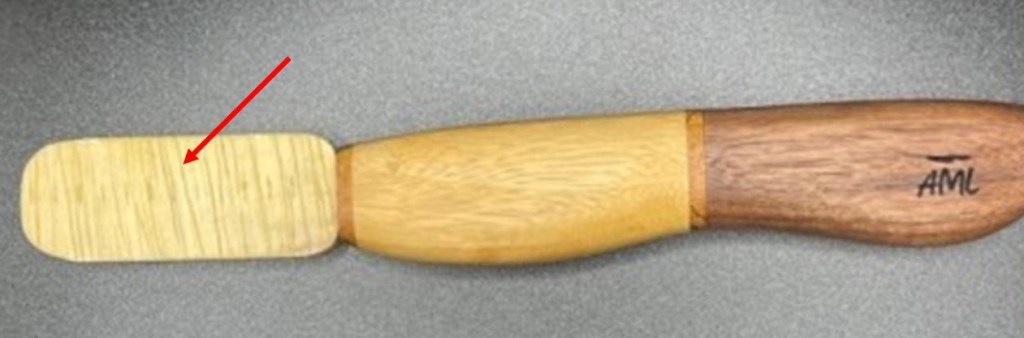
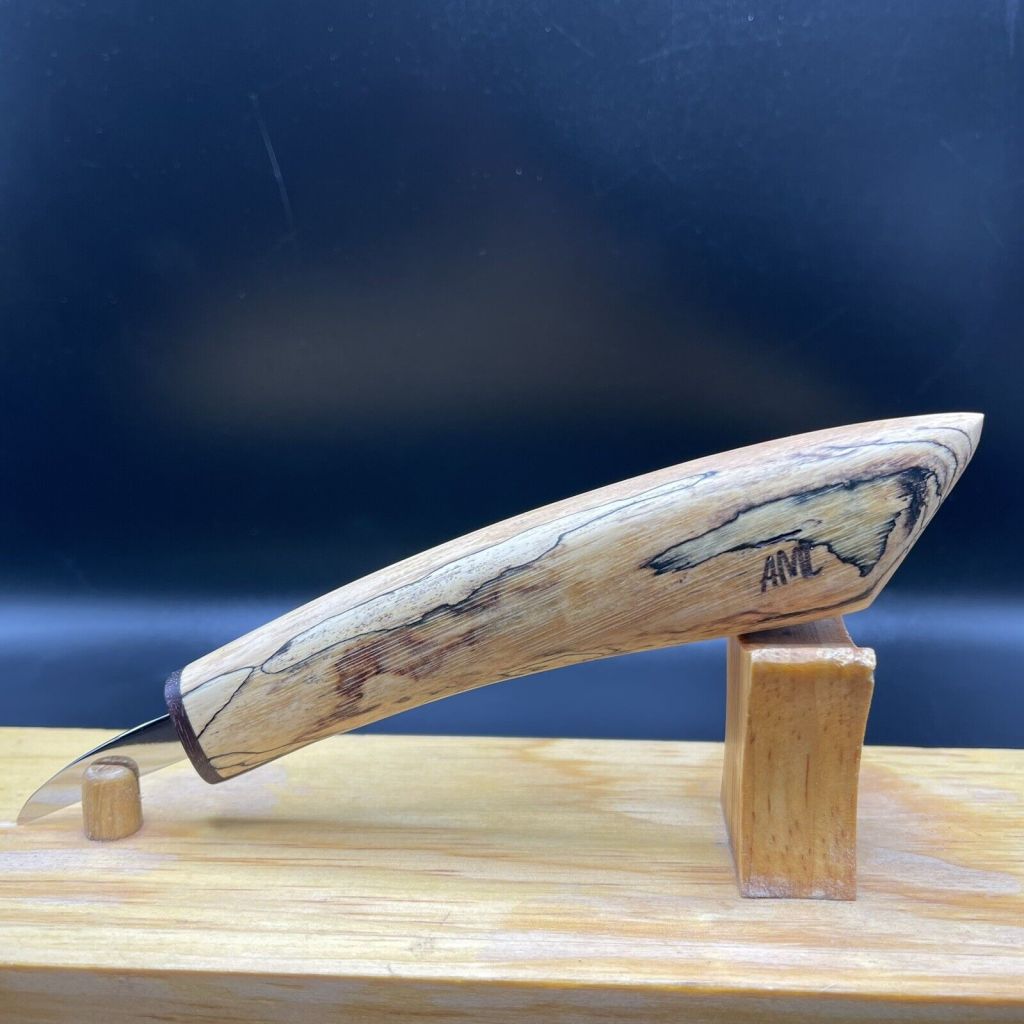
AML Wood Carving Knives
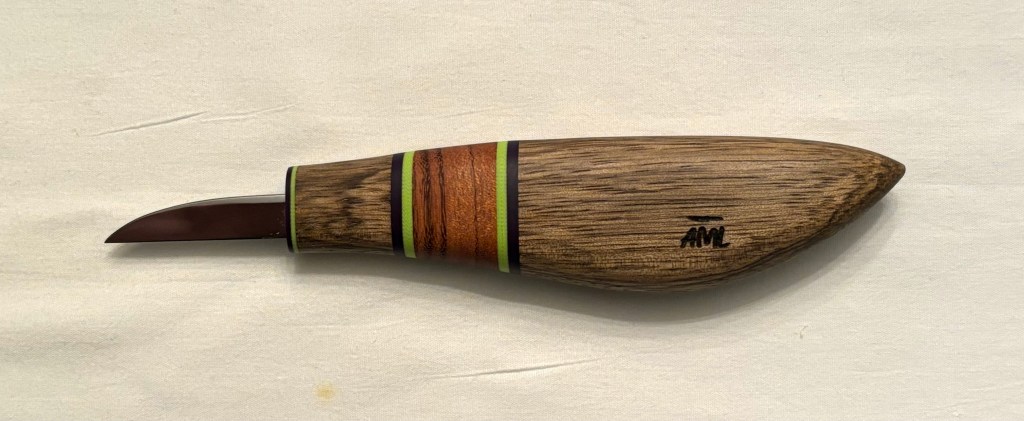
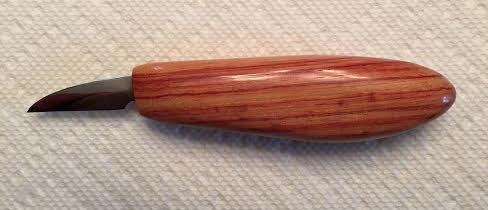
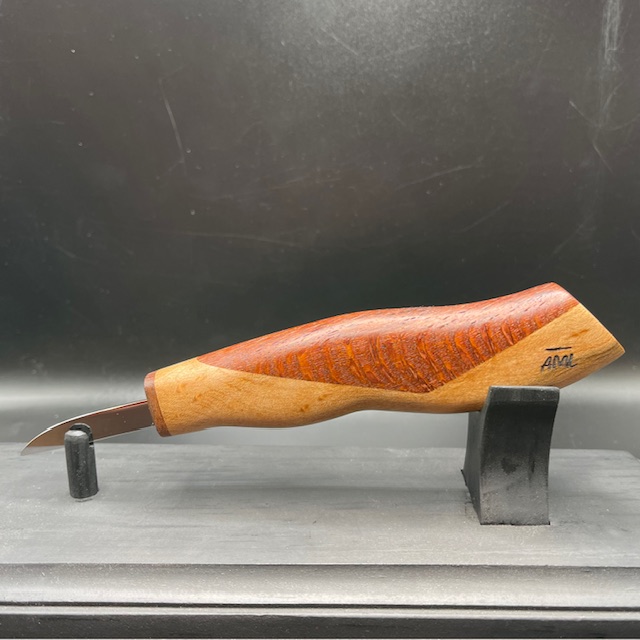
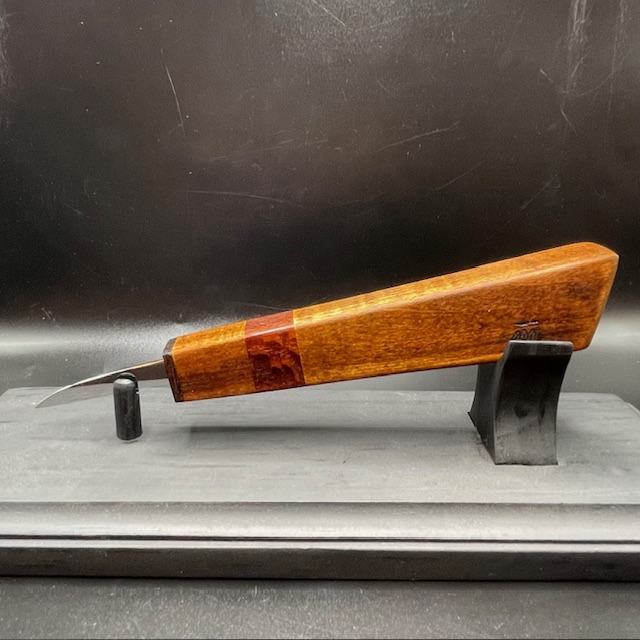
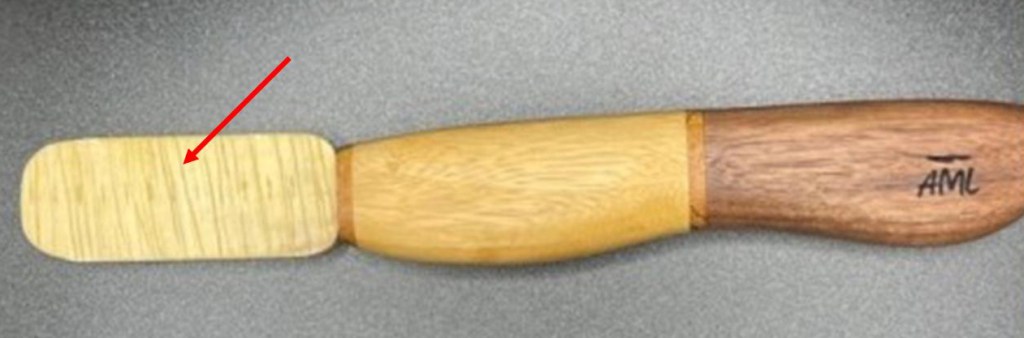
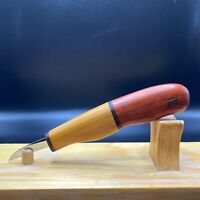
AML Wood Carving Knives are handmade by Andy Loughlin in Monroe, New York.
Each blade is meticulously crafted from 1095 high-carbon steel, ensuring easy sharpening and long-lasting edge retention. The diverse exotic woods used for the handle styles are sourced from around the world, adding a touch of elegance to these knives. You can find these exceptional knives for auction on eBay under ‘AML Knives,’ with bidding usually starting at $22 and most knives selling for between $40 and $100.
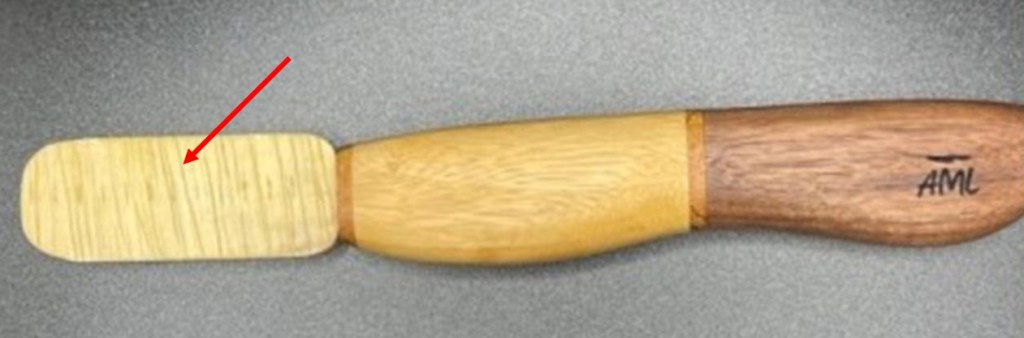
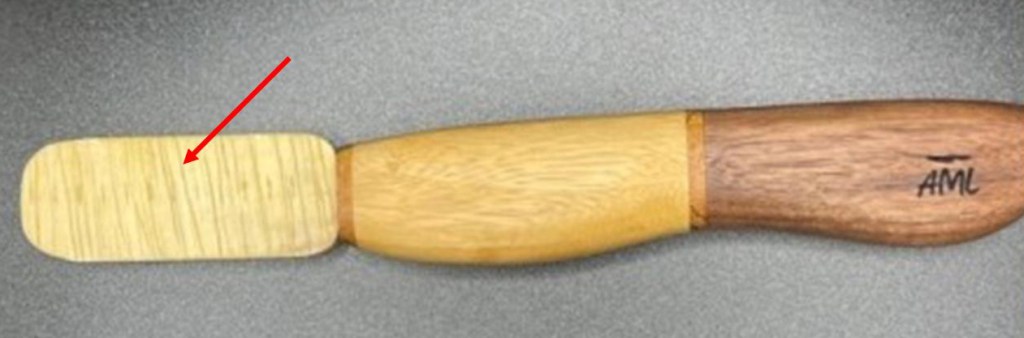
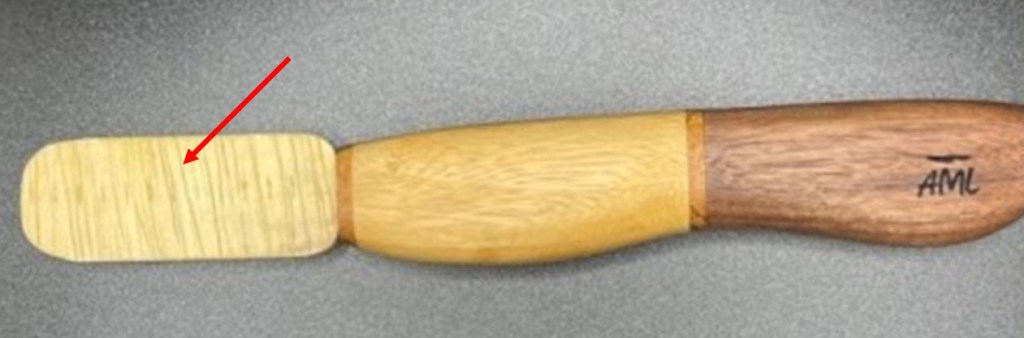
Unpack your AML Wood Carving Knife and experience its razor-sharpness right out of the package. Each knife comes with a custom-made magnetic wooden sheath, a thoughtful addition at no extra cost.
I now own three AML Knives and can speak personally about their quality. These are not production knives. Each knife is handmade by Andy himself. The knives are sturdy, well made, and will stack up to any other knife on the market. These knives have quickly become quite popular and sell out fast, so check the site (“AML Carving Knives” on EBAY) often for availability.
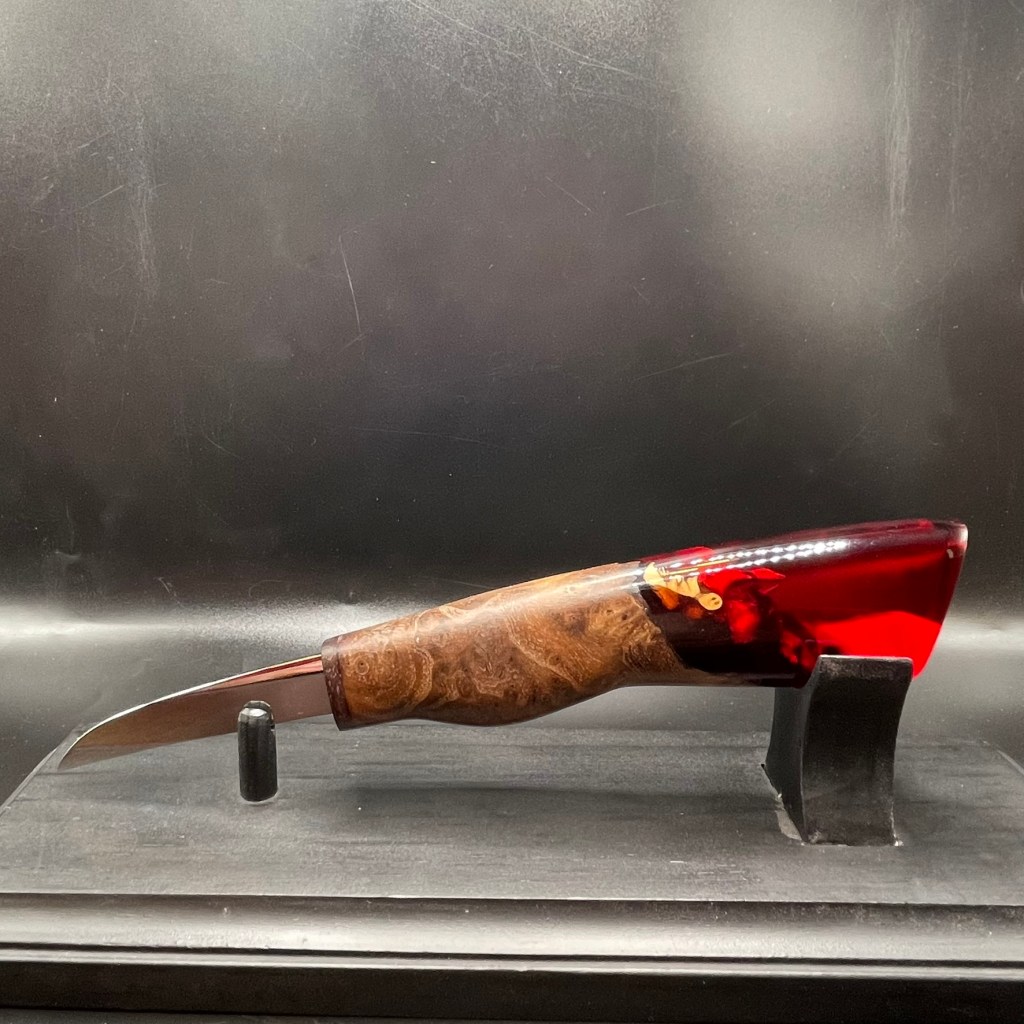
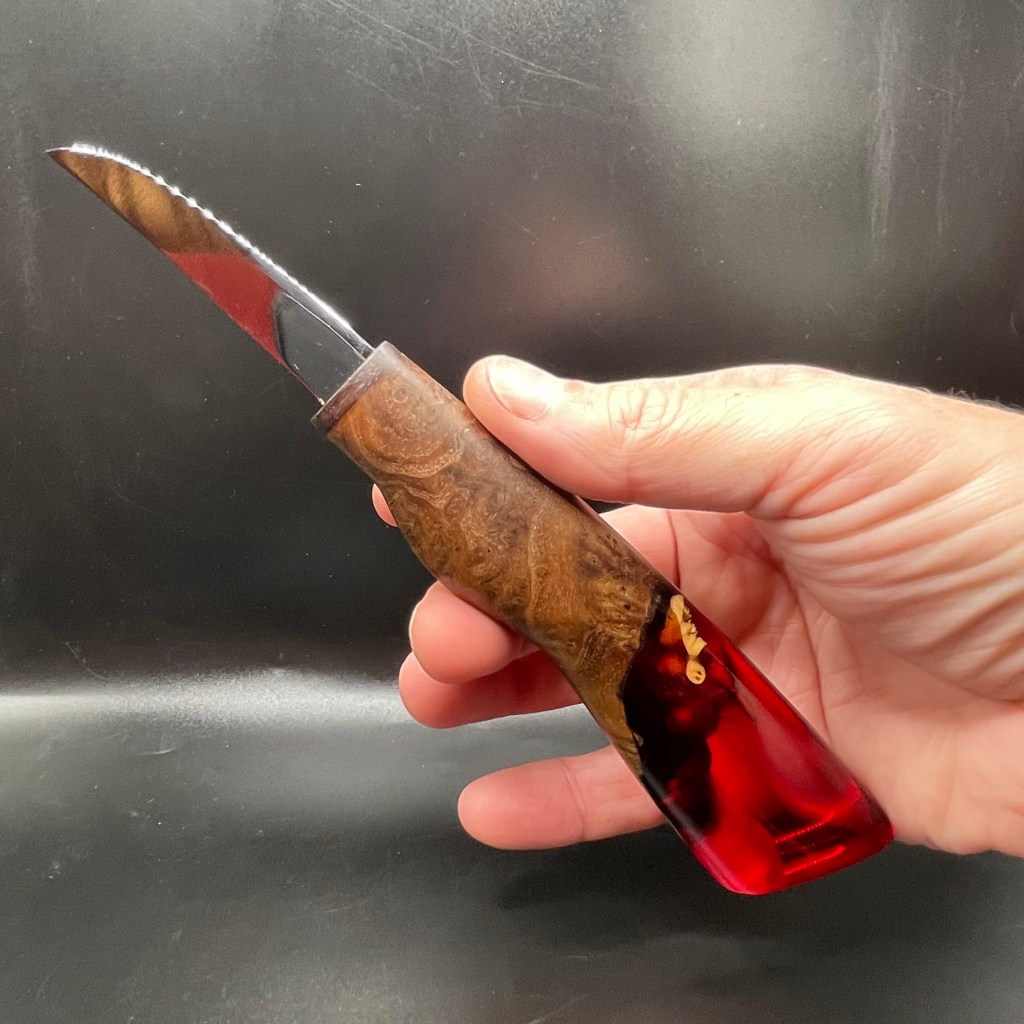
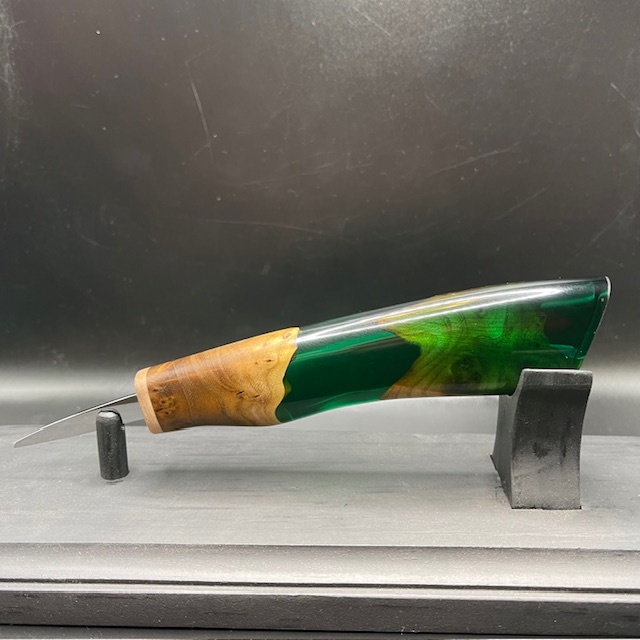
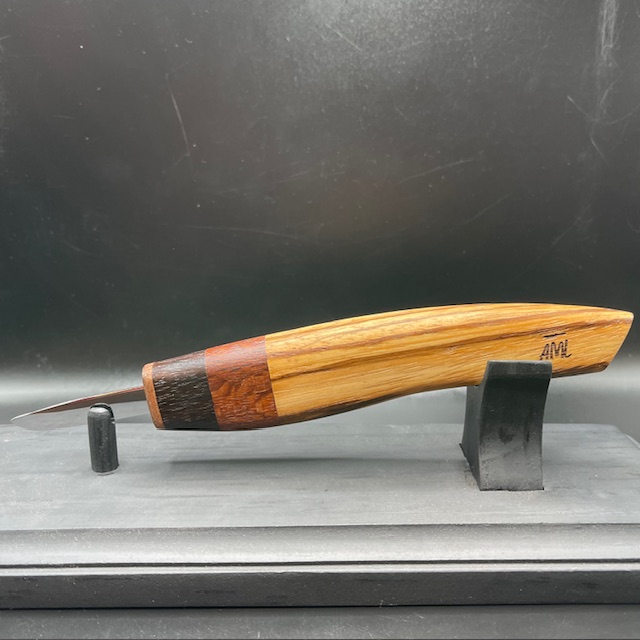
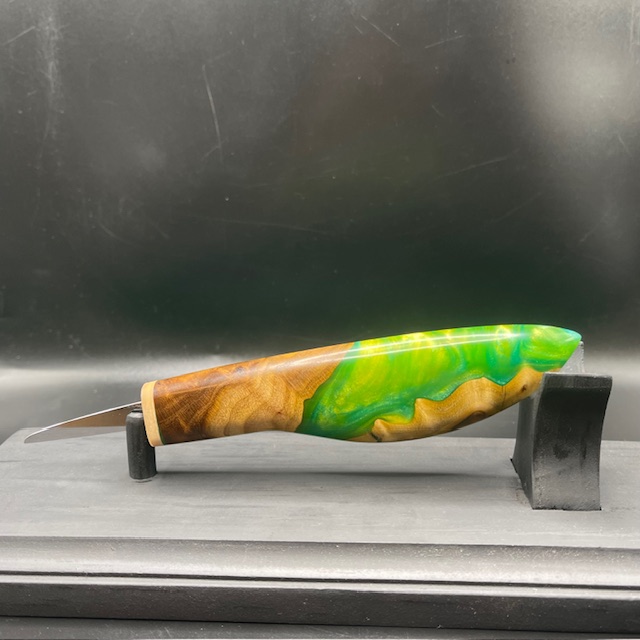
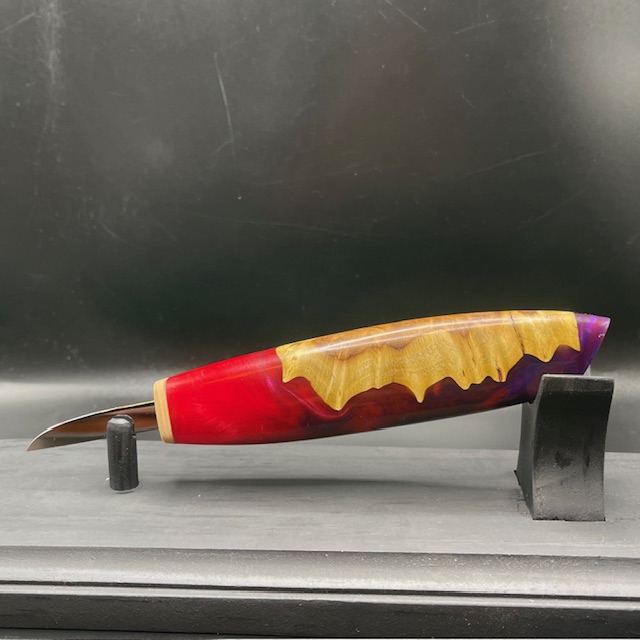
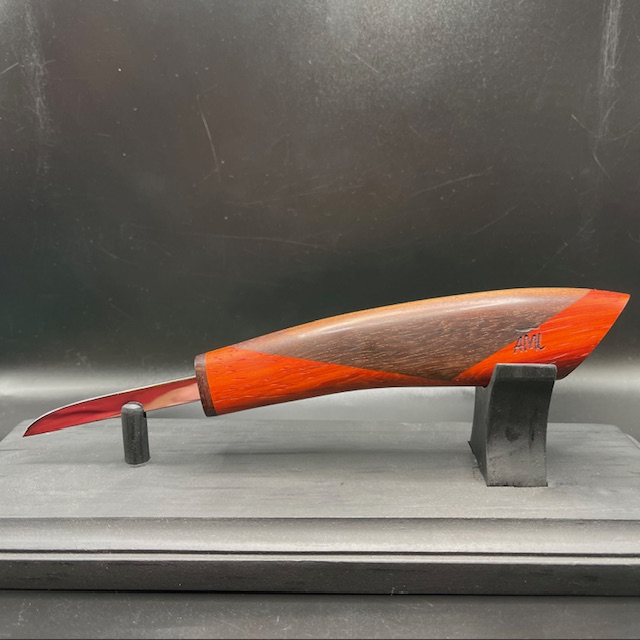
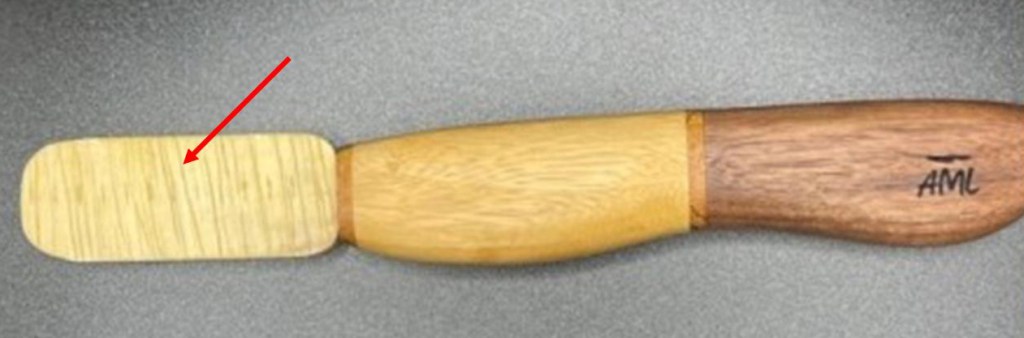
Andy has recently begun making knives with handles made from exotic woods and colored epoxy, creating some stunning and unique handle designs. Below are examples of some knives currently available or which have recently sold:
The future of Wood Chip Chatter is in Jeopardy
Sadly, reader support to Wood Chip Chatter has become nearly extinct. I cannot continue to publish this newsletter without subscriber content. It’s discouraging to know that I have over 1,200 subscribers but barely hear from the same handful of readers every month. Due to the lack of support I have already been forced to go from publishing every month to publishing every other month. Honestly, I feel like no one is even reading my blog anymore, and that I’m just wasting my time.
I know you all have some great material to share with our Wood Chip Chatter community. Comments and questions are always welcome as they make the newsletter more interesting and informative. Of course, photos of your work (new or old) are always appreciated.
Perhaps you may want to relate a story or experience you’ve had, or write a brief article on a carving-related matter. I’m not fussy, it doesn’t have to be perfect, and I can always doctor it up on my end.
Wood carvers have long been known as a very sharing-type of group, so let’s see what everyone has to share through Wood Chip Chatter.
Send all content to: carverbobk@woodchipchatter.com

Honestly, unless subscriber contributions increase I will have no other choice but to discontinue publication of this fine newsletter.
The next issue of Wood Chip Chatter will be posted on June 5, 2026

Keep a sharp eye out for it!
Keep a sharp edge, and keep on carvin’!

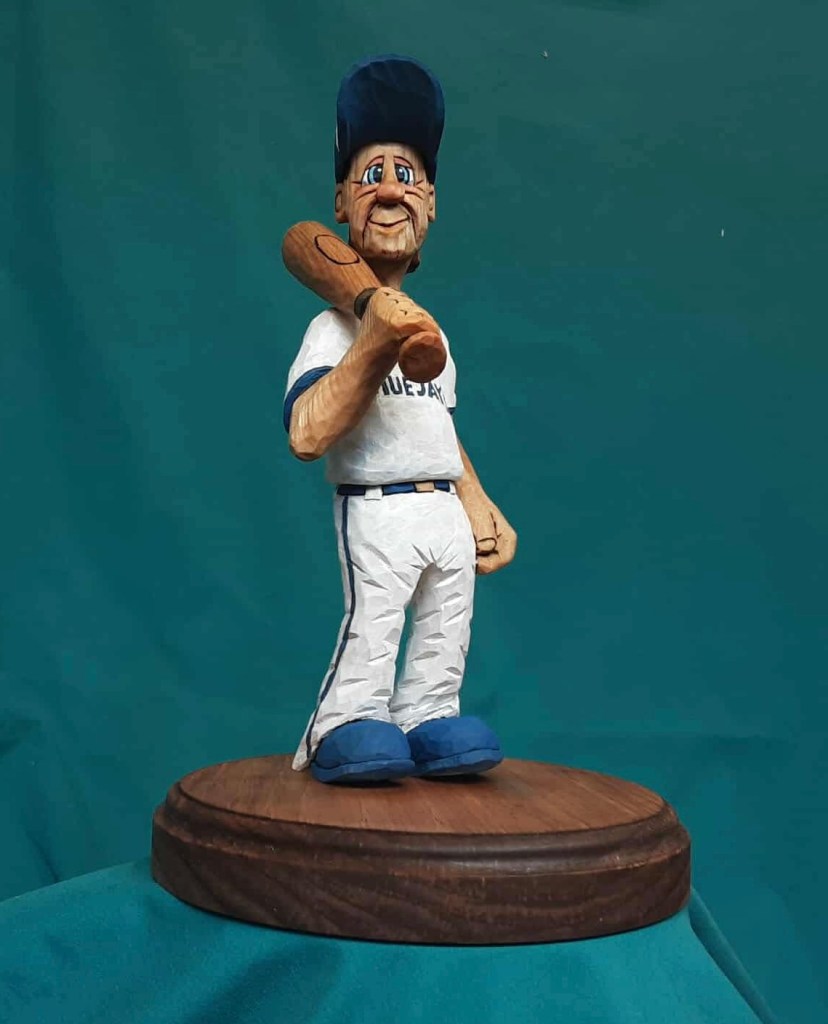
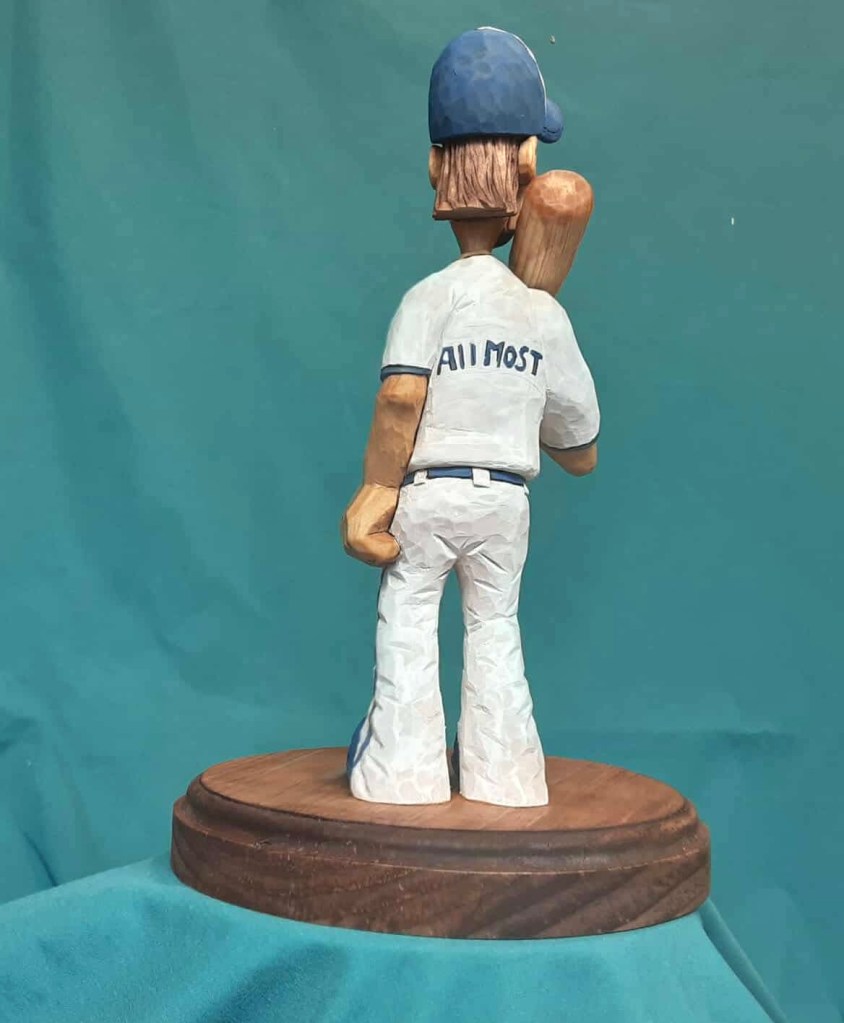
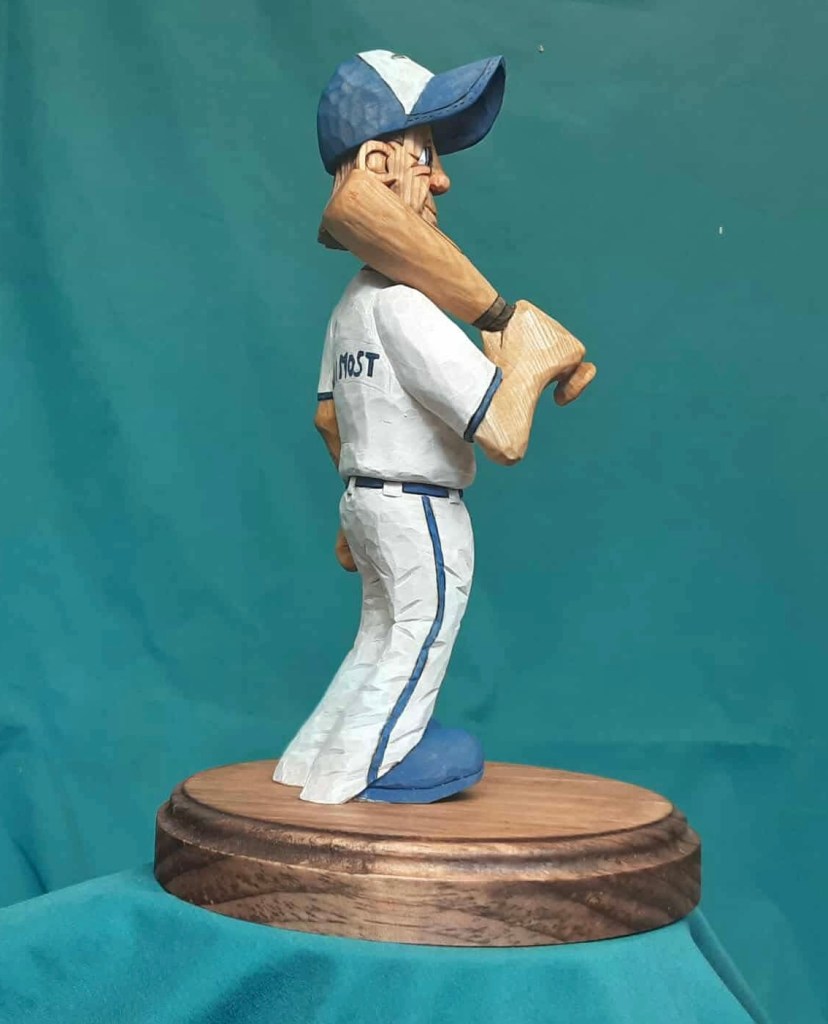
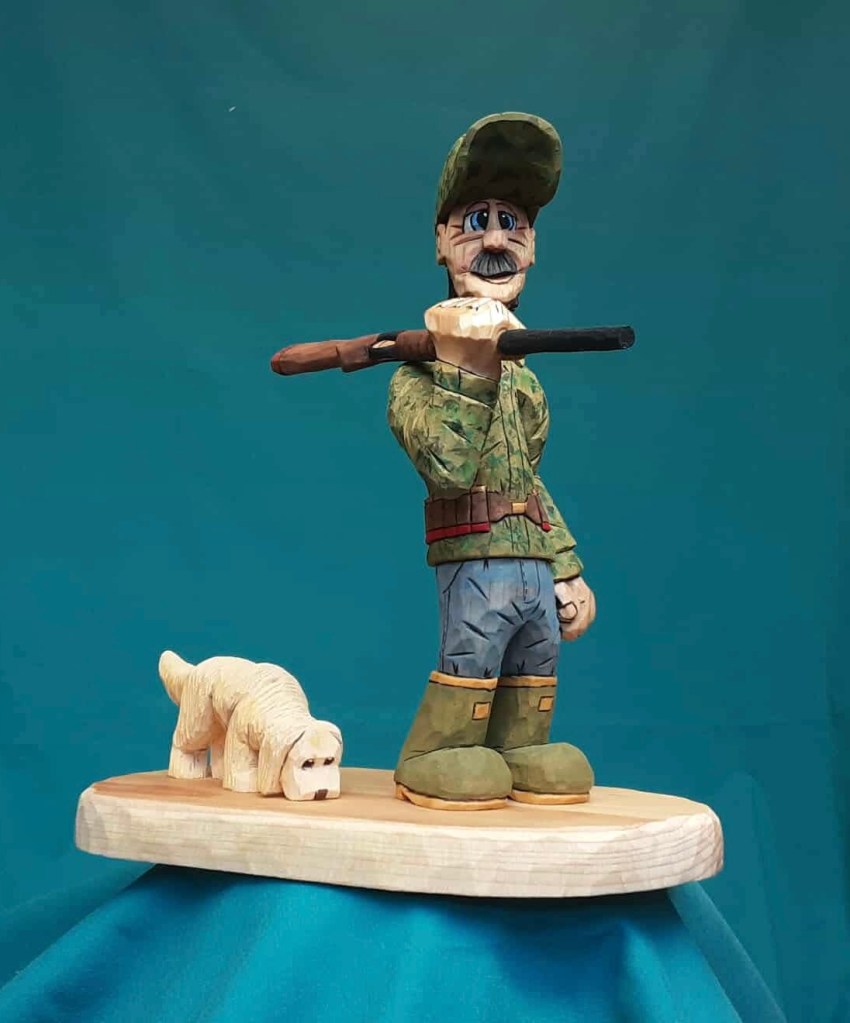
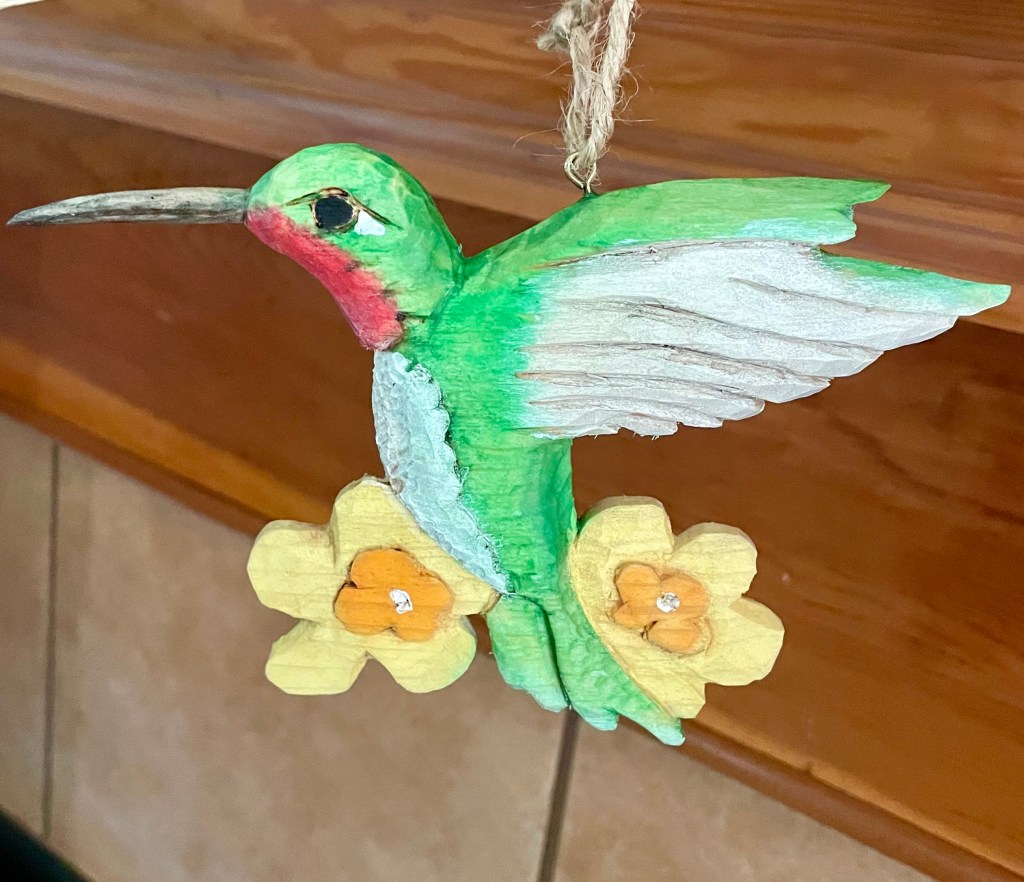
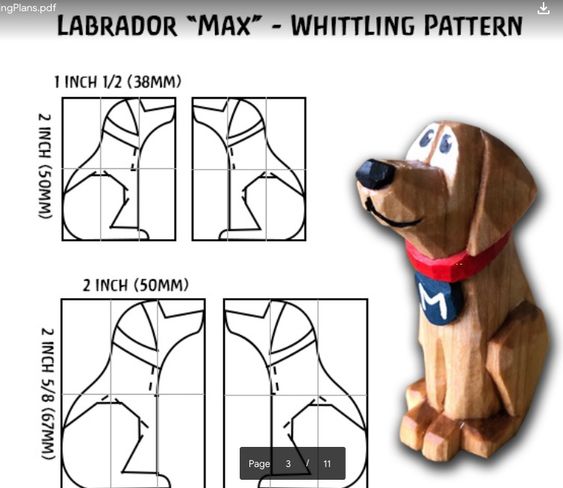
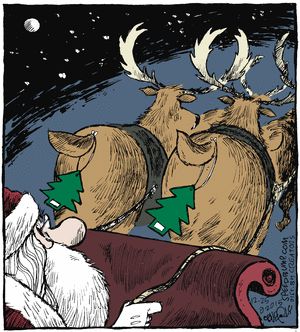
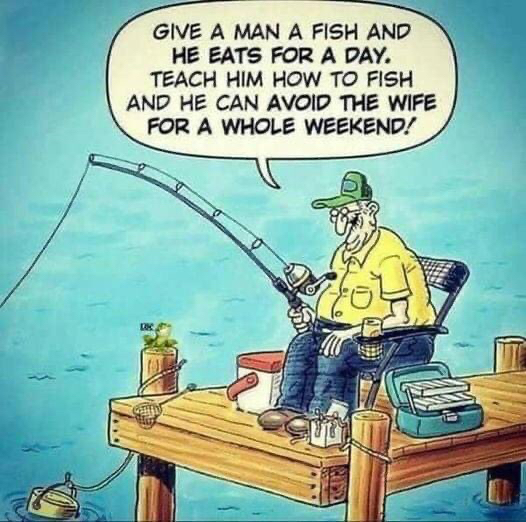
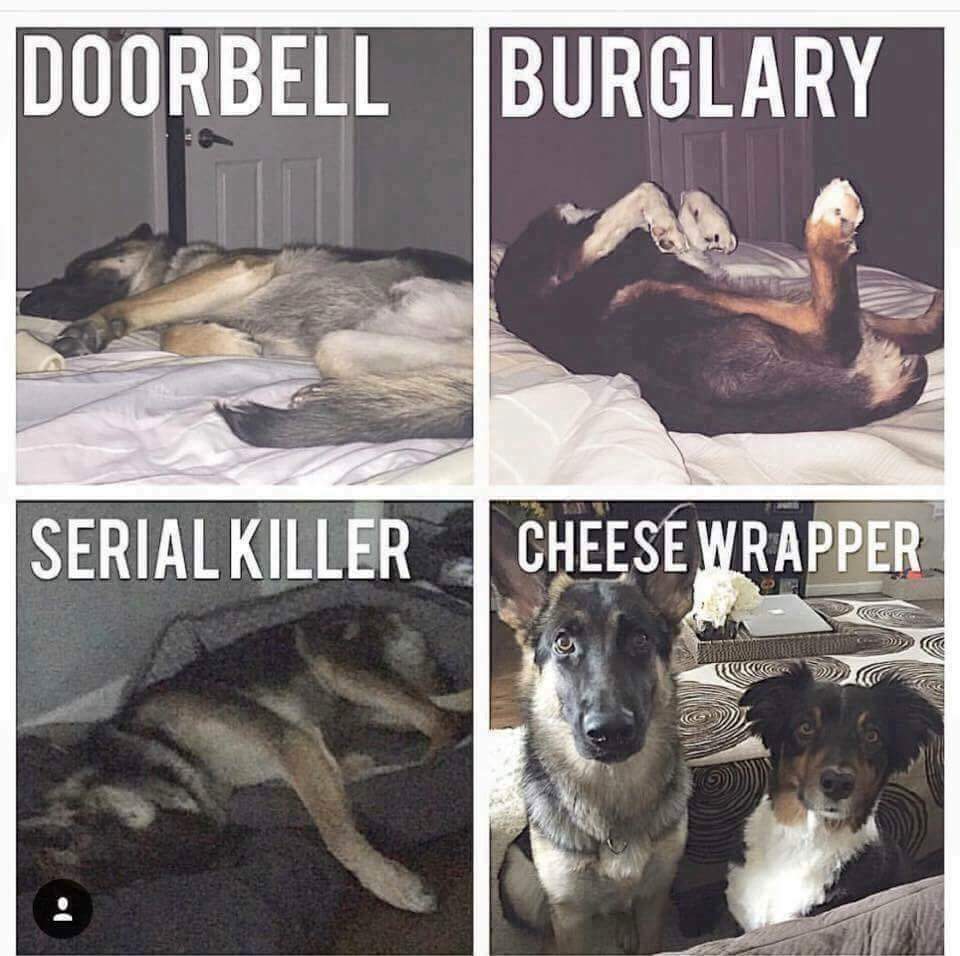
Funny Bone





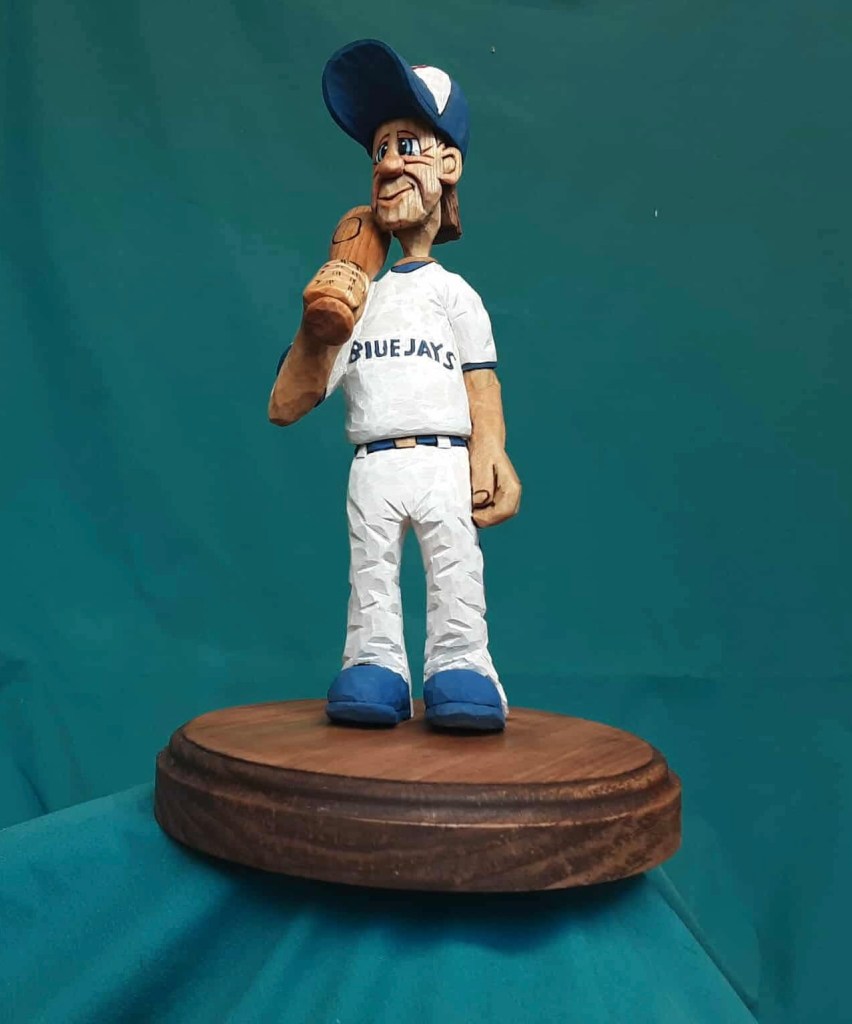
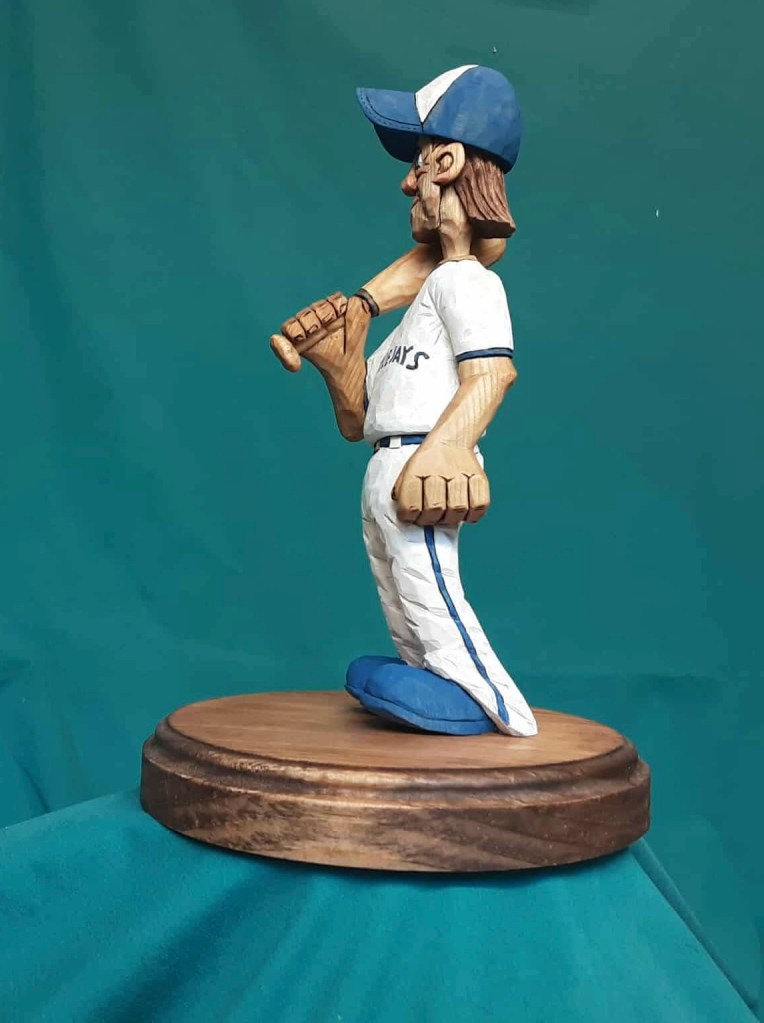






































































































































































 Wood Chip Chatter